How to Choose the Right Custom Product for Your Etsy Niche
By MCDFL Editorial Team•August 7, 2026•7 min read
Quick Answer: Choose your custom product by matching it to the specific problem your niche customers already have, not by what's trending. A product that fits your audience's daily routine and budget will outsell a generic bestseller every time. Test with small batches using a POD supplier like MCDFL to validate demand before you commit.
## 1. Why Your Niche Should Dictate the Product, Not the Other Way Around
I've seen hundreds of sellers start with a product they love and then try to force it into a niche. That's backwards. In 2026, the Etsy algorithm rewards shops that show clear intent and consistency. If your niche is "dog moms," a custom pet portrait t-shirt makes sense. A custom cutting board doesn't.
Let me give you a concrete example. A seller I know ran a shop selling custom mugs for teachers. She had decent traffic but mediocre sales. She switched to custom tote bags with grade-specific designs and her conversion rate tripled in six weeks. Why? Teachers carry bags daily. Mugs sit on desks. The product matched the lifestyle.
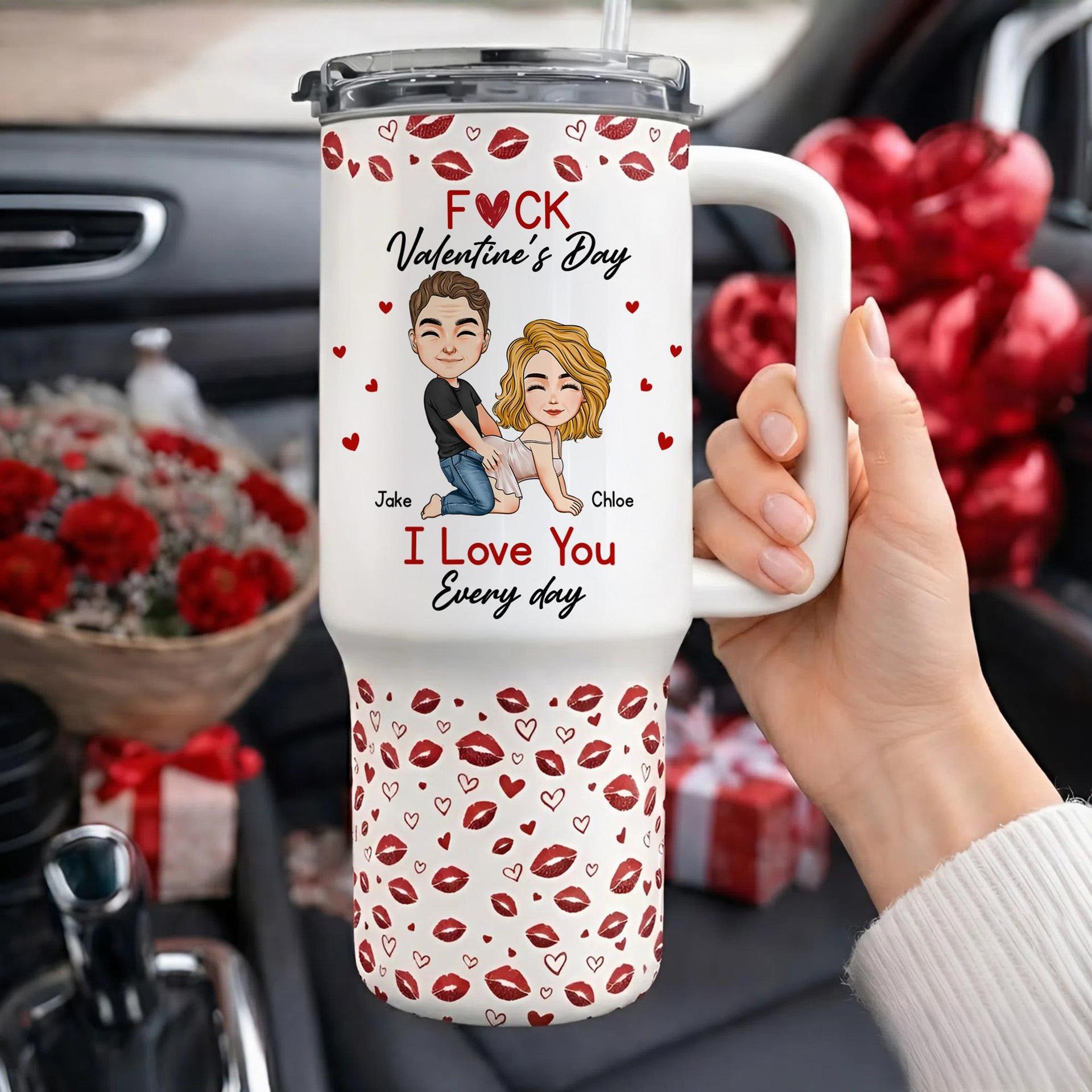
Ask yourself: what does your customer touch, use, or wear every single day? That's your product. If you sell to nurses, think scrub caps or badge reels. If you sell to gamers, think mouse pads or hoodies. The product must slot into their existing routine.
## 2. What Are the Real Costs and Margins for Each Product Type?
close-up of a seller's hands holding a smartphone showing a profit margin calculator app next to a stack of blank t-shirts and mugs on a wooden table
Not all products are created equal when it comes to profit. T-shirts are the entry point for most POD sellers because the print area is large and the cost is low. But the market is saturated. Mugs have higher margins per unit but break in shipping. Tote bags are cheap to produce but have lower perceived value.
Here's a quick breakdown based on my own numbers. A standard t-shirt costs around $12–$15 from a supplier like MCDFL, which offers MOQ 1 and ships to 50+ countries with 3–7 day fulfillment. You sell it for $28–$32. That's a solid margin. A ceramic mug costs $8–$10 and sells for $22–$25. The margin is similar, but the shipping weight eats into profits on Etsy.
Consider the print surface. Products with flat, large surfaces (t-shirts, hoodies, tote bags) are easier to print on and have fewer quality issues. Curved surfaces like mugs or water bottles require more precise printing and have higher defect rates. If you're a beginner, start with flat products.
## 3. How Does the Product's Print Area Affect Your Design Potential?
graphic designer's desk with a laptop showing a t-shirt design in Adobe Illustrator, color swatches and sketchbook scattered around, overhead angle
Your design is your product's soul. A product with a small print area limits what you can create. A standard t-shirt gives you a 12x14 inch print area. That's plenty for detailed illustrations, typography, or patterns. A pen or a keychain gives you almost nothing to work with.
Think about your niche's aesthetic. If your niche is minimalist, a small, subtle print on a quality hoodie works better than a loud, colorful design on a cheap t-shirt. If your niche is humorous, a larger print area lets you pack in more text and visual jokes.
I once worked with a seller who made custom puzzles for grandparents. The print area was the entire puzzle surface, which gave her a huge canvas for family photos and personalized messages. That product became her bestseller because the design potential was so high. Look for products that give you room to create value through design, not just through the product itself.
## 4. What Does Your Customer Expect in Terms of Quality and Use?
hands holding a freshly printed black hoodie showing a vibrant design, soft fabric texture visible, natural window light in a cozy living room setting
Quality expectations vary wildly by product. A $5 keychain has a low bar. A $40 hoodie has a high one. If you sell a product that fails to meet expectations, you'll get returns and bad reviews. That kills your Etsy ranking.
Consider the product's lifespan. A mug gets washed daily. A t-shirt gets worn and laundered weekly. A tote bag gets thrown around. Each product needs a print method that survives that abuse. DTG printing works well for t-shirts. Sublimation is better for mugs. If you're unsure, order a sample from your supplier and test it yourself.
One of my clients sold custom phone cases. The print looked great in photos but started peeling after two weeks. His reviews tanked. He switched to a supplier with a better printing process and the problem disappeared. Don't skip the sample phase. Your reputation depends on it. If you need help managing these quality issues, check out our guide on How to Handle Customer Complaints as a POD Dropshipper.
## 5. Which Products Are Trending in Your Niche Right Now?
overhead flat lay of trending POD products including a tote bag, a ceramic mug, and a baseball cap with colorful designs, styled on a pastel background with props
Trends change fast, but some products have staying power. In 2026, I'm seeing huge growth in custom sweatshirts and crewnecks, especially for niche communities like book clubs, hiking groups, and pet owners. These products offer a large print area, high perceived value, and year-round demand.
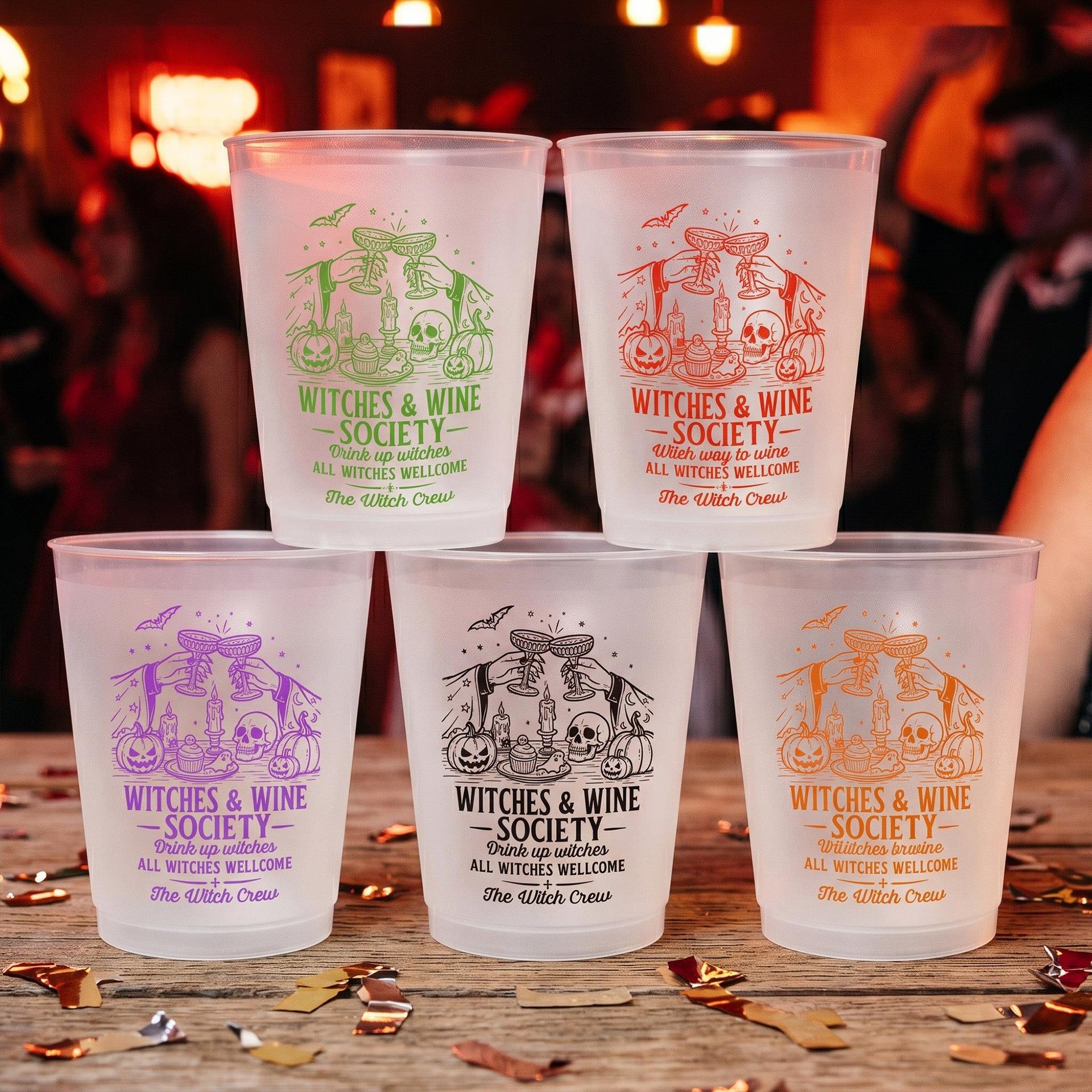
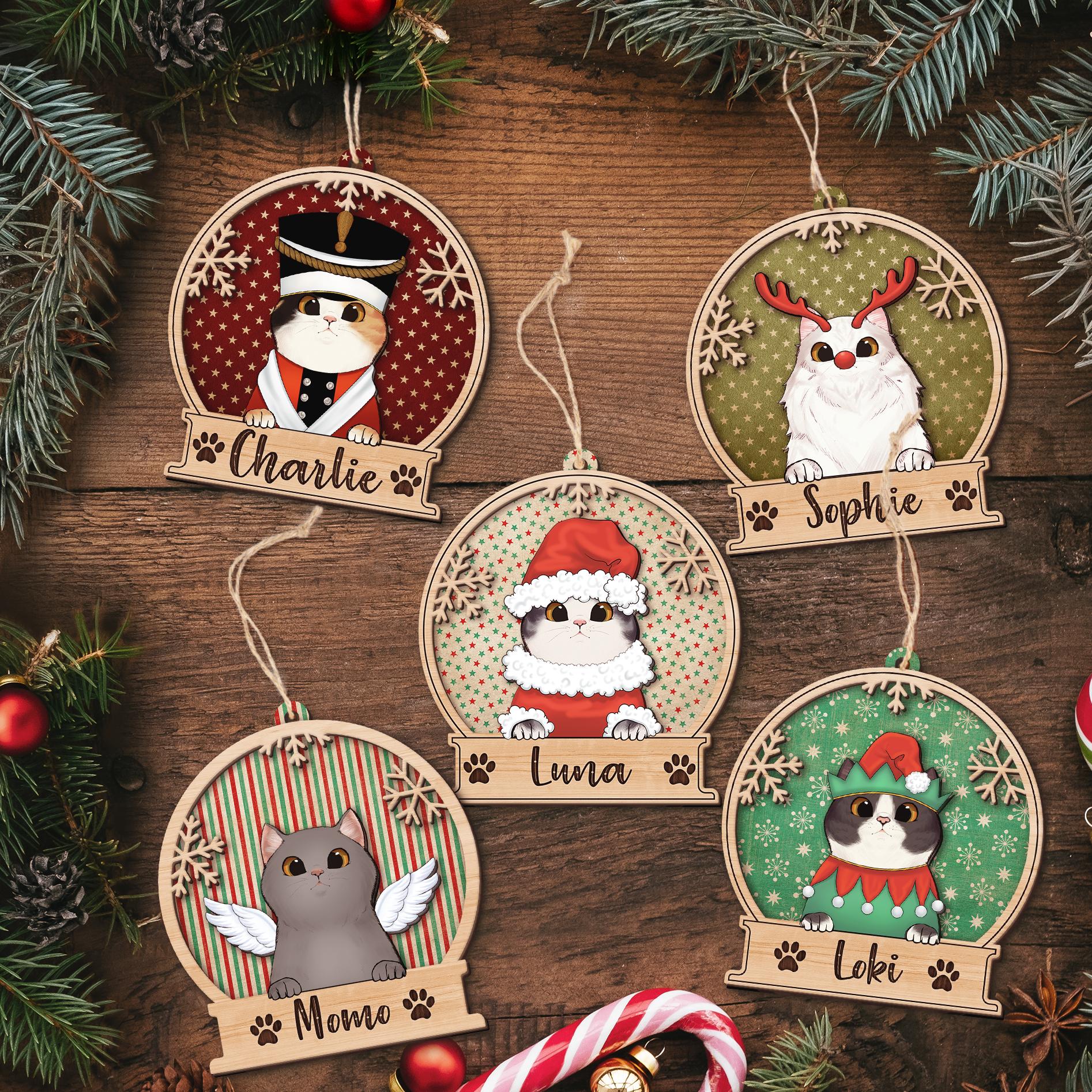
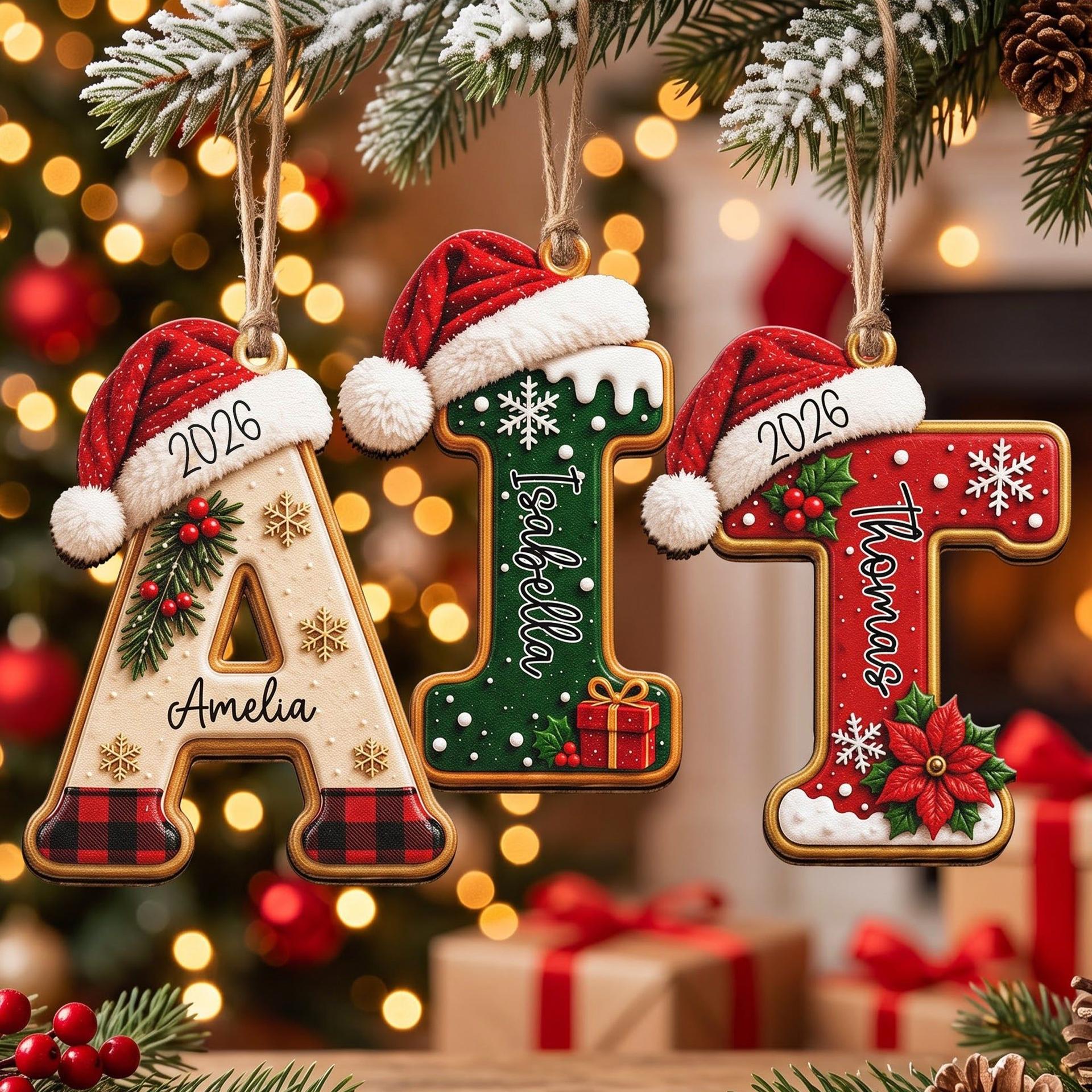
Seasonal products are a trap if you're not careful. Christmas ornaments sell like crazy in November but die in February. If you want a sustainable shop, pick a product that sells year-round and add seasonal variations. A t-shirt shop can offer Halloween designs in October and Mother's Day designs in May.
Research your niche on Etsy. Search for your niche keyword and look at what products appear in the top 10 results. That's your competition. Look at their reviews. What are customers complaining about? What are they praising? That tells you exactly what product features matter. For more on getting your listings seen, read How to Write Etsy Listings That Actually Get Found (POD Edition).
Frequently Asked Questions
Q: Should I start with t-shirts or another product?
A: Start with t-shirts if you're a beginner. They have the largest print area, the lowest production cost, and the most forgiving learning curve. Once you understand the printing process and your customer base, expand to other products like hoodies or tote bags.
Q: How many products should I offer in my niche?
A: Focus on 3–5 products that serve the same customer. This gives you enough variety to test what works without diluting your shop's focus. Too many products confuse buyers and hurt your niche authority with Etsy's algorithm.
Q: Can I switch products later if my first choice doesn't sell?
A: Absolutely. POD means you have no inventory risk. If a product isn't selling after 30–60 days, replace it with something new. Just keep your niche consistent. Changing your product line is fine, but changing your niche confuses your existing customers.
Q: What's the minimum order quantity for testing a new product?
A: With most POD suppliers, including MCDFL, the MOQ is 1. You can order a single sample to test quality and then list it in your shop. This is the biggest advantage of POD over traditional manufacturing—you never have to guess what will sell.
Next Steps
Write down your niche and list 5 products your customer uses daily. Rank them by print area, profit margin, and quality risk. Pick the top one to start with.
Order one sample of your chosen product from a POD supplier like MCDFL. Test the print quality, wash it, and use it for a week. If it fails any test, pick another product.
Create 3–5 designs for that product and list them in your shop. Track which designs get clicks and which get sales. Double down on what works and retire what doesn't after 30 days.
Ready to Explore MCDFL's Product Catalog?
Browse 500+ factory-direct POD products and contact us to set up your B2B partner account.