How to Start a Print-on-Demand Store on Etsy: Step-by-Step Guide

Most online tutorials describe Etsy Print-on-Demand (POD) as an effortless passive income stream. They show you a dashboard with $10,000 in monthly sales, conveniently omit the ad spend, processing fees, and customer refunds, and then pitch you a $499 course.
The reality is far more mechanical. Etsy print-on-demand is not a get-rich-quick design contest; it is a logistics and margins game. You are building a real retail storefront where you control the design and marketing, but outsource production and fulfillment to a third party. If your supplier fails, your store fails. If your math is wrong, you lose money on every sale.
This guide is a practical, step-by-step blueprint for launching an Etsy POD shop that actually survives past its first 90 days. We will skip the generic fluff and look at the actual fees, search volume metrics, listing rules, and supplier criteria that experienced sellers use.
Why Most Etsy POD Shops Fail in their First 90 Days

If you look at the graveyard of closed Etsy shops, you will notice they almost all make the same three mistakes:
- The Copycat Niche Trap: Listing generic "Mama Bear" t-shirts or "Bride Squad" cups. You are competing with 50,000 established listings. Without a massive ad budget or a huge social following, you will get zero organic traffic.
- Bad Margin Math: Pricing products too low because they forgot to account for Etsy's transaction fees, payment processing fees, shipping costs, and Offsite Ads.
- Suppliers with Bad Quality Control: Using cheap, unvetted suppliers that print off-center, send wrong sizes, or ship items 14 days late. On Etsy, customer reviews are oxygen. Three 1-star reviews in your first month will trigger a permanent account suspension from Etsy's automated systems.
Step 1: Choose a Personalization-Friendly Niche (With Data)

To get traffic on Etsy without spending a fortune on ads, you must target search phrases with high search volume and low competition. You can use SEO tools like eRank, EverBee, or Alura to find these numbers.
When looking at keywords, target:
- Monthly Search Volume: Over 1,000 searches.
- Active Competition: Under 5,000 search results.
Instead of selling generic items, focus on products that allow for personalization. Etsy customers come to the platform specifically to buy custom, meaningful gifts, and they are willing to pay a premium for them. For example:
| Generic Product (Avoid) | High-Margin Custom Product (Target) | Why it Works |
|---|---|---|
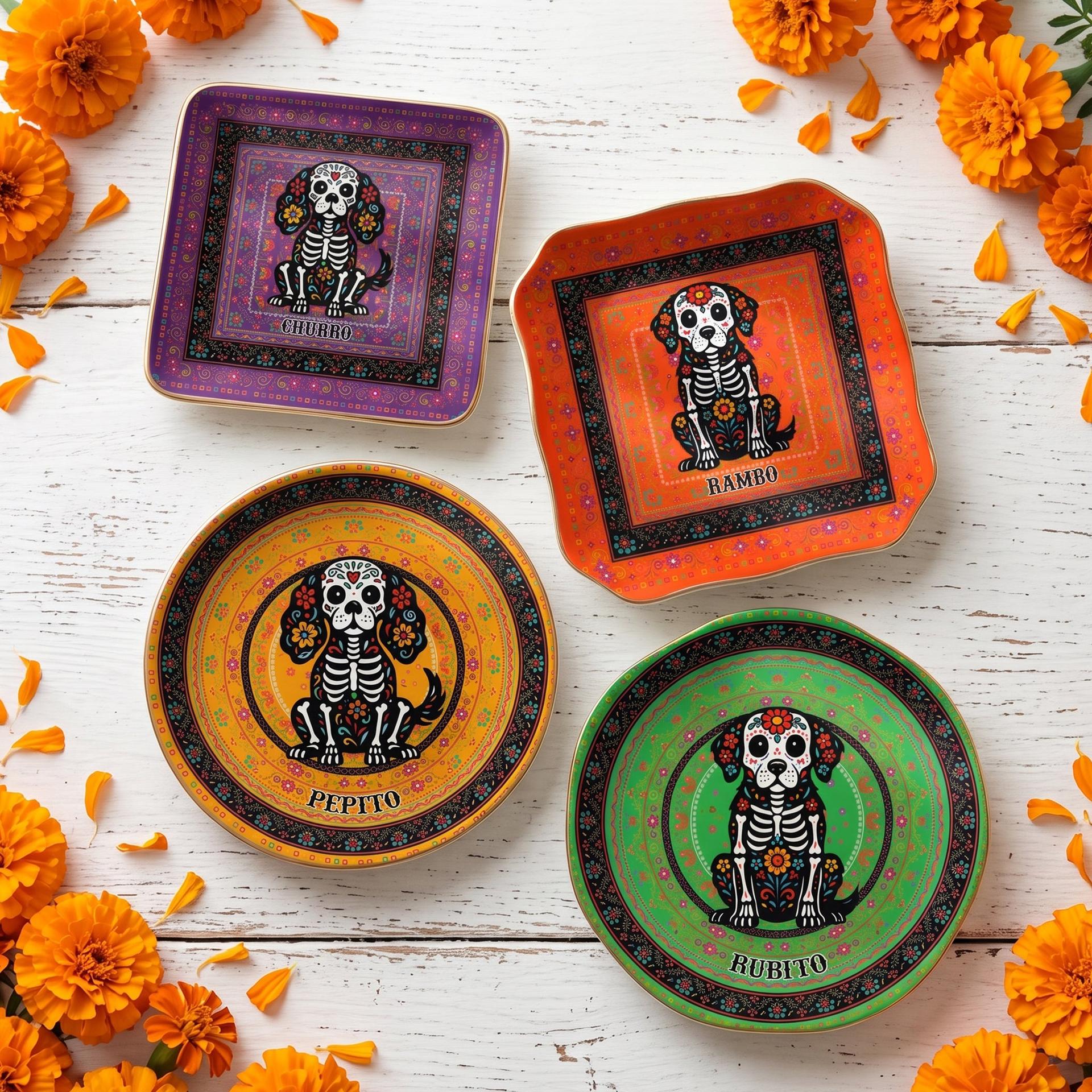
| "Best Mom Ever" Coffee Mug | Custom Dog Breed & Name Travel Mug | Targets passionate pet owners; requires custom inputs. |
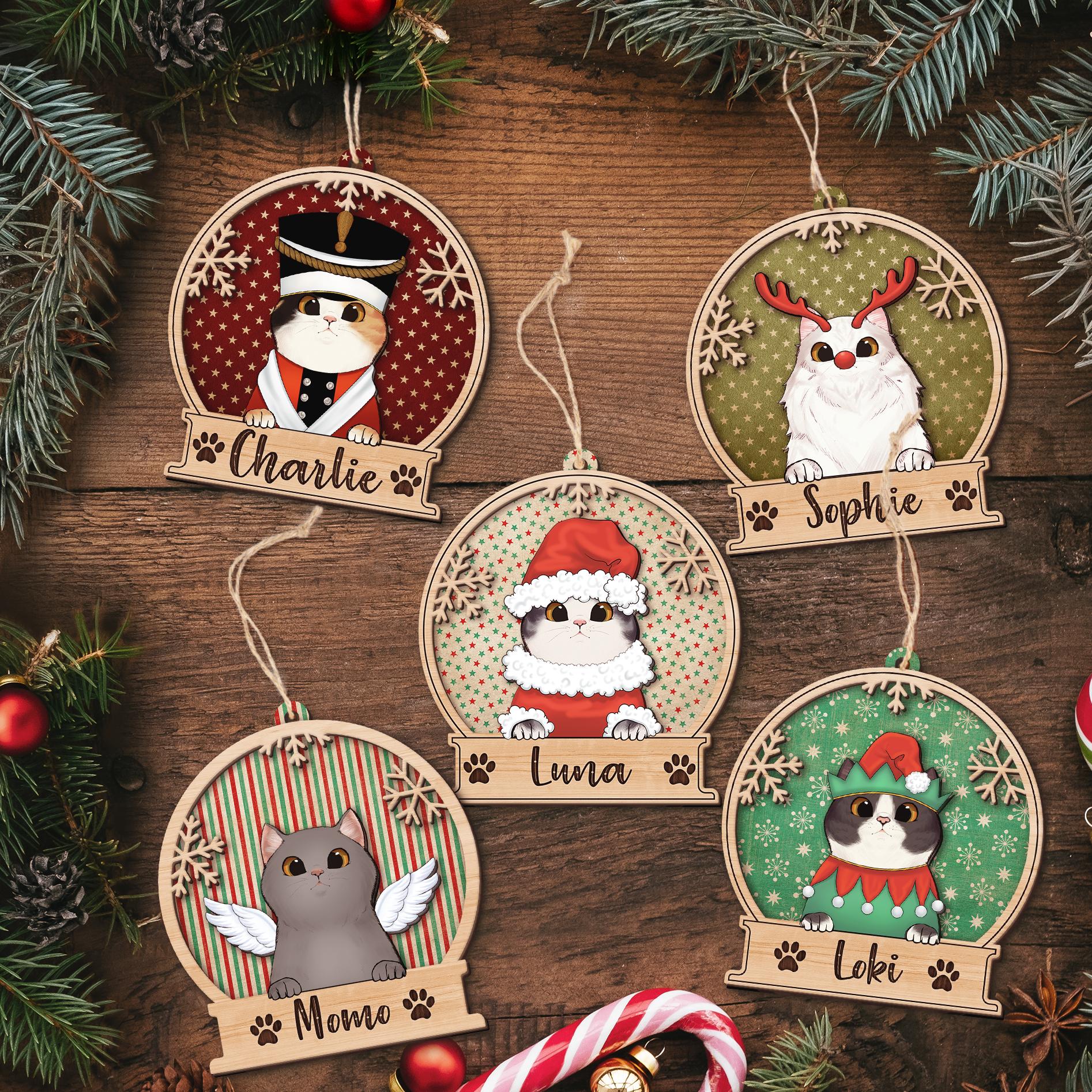
| Plain Acrylic Keychains | Personalized Wooden Graduation Stoles | High emotional value for milestones; commands $40+ margins. |
| Standard Canvas Prints | Custom Engraved Leather Desktop Organizer | Premium executive/office gift category; low competitor density. |
Step 2: Calculate Your True Unit Economics
Do not guess your pricing. You need to know your exact margin down to the penny before you list an item. Here is the math you must run on every single listing:
Etsy Fee Structure (USD):
• Listing Fee: $0.20 per listing (renews every 4 months or upon sale).
• Transaction Fee: 6.5% of the total customer charge (item price + shipping charge).
• Payment Processing Fee: 3.0% + $0.25 (varies slightly by country).
• Offsite Ads Fee: 15% on sales made through Google/Facebook ads run by Etsy (mandatory opt-in if your shop makes over $10,000 in a 365-day period).
Let's do the math on a custom product sold for $45.00 with $5.00 shipping (Total customer charge: $50.00). If your supplier charges $15.00 for the product and $6.00 for shipping:
- Total Customer Revenue: $50.00
- Supplier Cost (Product + Shipping): $21.00
- Etsy Listing Fee: $0.20
- Etsy Transaction Fee (6.5% of $50): $3.25
- Etsy Payment Processing Fee (3% + $0.25): $1.75
- Subtotal Profit (Organic Sale): $23.80 (47.6% Net Margin)
- Etsy Offsite Ads Fee (15% of $50, if applicable): $7.50
- Net Profit (Offsite Ad Sale): $16.30 (32.6% Net Margin)
Even with Offsite Ads taking a bite out of your profit, targeting a premium, personalized product ensures you still make a healthy $16.30 profit per order. If you were selling a cheap $15 t-shirt with a $4 profit margin, an Offsite Ad sale would put you in the negative.
Step 3: Choose a B2B Factory-Direct Supplier
Most beginners sign up for Printful or Printify. While these platforms are easy to integrate, they are middleman networks. You are paying a markup on every order, and you have zero direct control over the factories actually making your products.
For sustainable margins and long-term quality consistency, partner with direct manufacturing suppliers. When evaluating suppliers, look for these criteria:
- No Minimum Order Quantity (MOQ 1): Since items are customized, you must be able to order single units.
- Blind Dropshipping: The supplier must ship the product in unbranded packaging, without their name or a commercial invoice. The return address should list your store name or a neutral fulfillment center.
- Strict Personalization QA: If a customer orders a mug with the name "Madelyn" and the supplier prints "Madelyne", you will have to pay for a replacement out of pocket. Choose suppliers with a proven track record of handling variable text accurately.
- A Wide Catalog: A supplier like MCDFL POD offers over 500 customizable items across gift, homeware, and seasonal categories. This lets you expand your product lines easily without onboarding multiple suppliers.
Step 4: Set Up Your Etsy Shop to Avoid Suspensions
Etsy's fraud detection bots are highly sensitive. Thousands of new shops are suspended within hours of registration because they set off security red flags. Follow these guidelines during setup:
- Use Real Information: Use your real name, government ID, bank account, and credit card. All information must match exactly. Using a VPN during setup will trigger an immediate ban.
- Declare Your Production Partners: Etsy has a strict "Handmade Policy." Since you are not physically manufacturing the POD products yourself, you must declare your print provider. In your Etsy dashboard, go to Settings > Production Partners and add your supplier. Explain that you design the artwork and they print and ship the items.
- Write Your Policy Sections: Fill out your shop's About Section, banner, profile picture, and FAQ. A blank shop looks like a bot account to Etsy's security algorithms.
Step 5: Ditch Raw Computer Renders for Visual Trust
If you use the flat, computer-generated mockups provided by standard POD software, your listings will look exactly like every other dropshipping store on the internet. Customers are smart; they can spot a fake 3D render instantly, and it kills trust.
To stand out, do this:
- Order Physical Samples: This is a non-negotiable step. You must see, feel, and inspect the product print quality yourself. Use these samples to take real lifestyle photos. A photo of a custom mug sitting on a wooden desk next to a warm cup of coffee and a notebook will out-convert a flat digital mockup by 300%.
- Use Premium Mockup Tools: If you must use digital mockups for variations, use platforms like Placeit or high-end PSD mockups from Yellow Images. Avoid the basic white-background templates that everyone else uses.
- Show the Personalization Area: Include a slide in your listing images showing exactly where the customization goes, including character limits and font choices.
Step 6: Etsy SEO That Pulls Organic Clicks
Etsy is a search engine. To get found, your listings must align with what customers type into the search bar.
- Focus on Search Intent in Titles: Put your most important, high-volume keyword at the very beginning of your title. Do not write creative titles like "Whispering Winds Oak Plaque." Write search-focused titles: "Personalized Wood Retirement Plaque for Coworker, Custom Engraved Office Gift."
- Maximize Your 13 Tags: Etsy gives you 13 tags per listing. Use all of them. Use multi-word phrases (e.g., "gift for doctor", "custom wood plaque") rather than single words ("gift", "wood"). Do not waste tags repeating words that are already in your title.
- Use Categories and Attributes: Select the most specific categories and fill out every attribute (color, material, holiday) during listing creation. These act as extra tags in Etsy's search algorithm.
Step 7: How to Handle Customer Disputes & Fulfillment Failures
In retail, things will go wrong. Packages will get lost in the mail, items will arrive broken, and customers will make typos in their personalization requests. How you handle these events defines your business.
Rule of Thumb: Never argue with a customer over a low-cost item. Even if the customer made the typo, offering a free replacement or a heavily discounted remake will save you from a 1-star review. Think of it as a marketing expense.
If an item arrives damaged, ask the customer to send a photo of the damaged product and packaging. Forward this to your supplier's support team. Reliable partners like MCDFL will issue a refund or dispatch a replacement immediately for manufacturing defects or shipping damage.
Frequently Asked Questions
Do I need a business license or LLC to start?
No. In the US and most countries, you can start as a Sole Proprietorship using your personal tax details. As your volume grows and you reach consistent profitability, you should look into forming an LLC to protect your personal assets.
Should I offer free shipping on Etsy?
Etsy's algorithm explicitly favors listings that offer free shipping to US buyers on orders over $35. However, "free" shipping is never free. You must calculate the shipping cost into the retail price of the item. For example, instead of listing an item for $30 with $5 shipping, list it for $35 with free shipping.
How long does it take to get my first sale?
For a new shop with optimized SEO, the first organic sale typically happens within 2 to 4 weeks. You can accelerate this by running Etsy Search Ads on your top 3 best-performing listings with a budget of $1 to $2 per day.
What is Etsy's policy on production partners?
Etsy allows print-on-demand as long as you design the artwork yourself and disclose your production partner. Reselling pre-made items that you did not design or manufacture is strictly prohibited and will result in your shop being shut down permanently.
MCDFL POD is a factory-direct print-on-demand supplier offering 500+ customizable gift products with MOQ 1, blind dropshipping worldwide, and direct integrations for Etsy, Shopify, and TikTok Shop sellers. Browse the product catalog →

About the Author: James Holloway
Print-on-Demand SpecialistEtsy POD seller since 2019. Specializes in personalized gift products and supplier operations. Read full profile →
Ready to Explore MCDFL's Product Catalog?
Browse 500+ factory-direct POD products and contact us to set up your B2B partner account.
Explore Products