How to Set Up Your First Shopify POD Store (Complete Beginner Guide)

1. Why Start a Shopify POD Store in 2026?
The POD market grew 25% year-over-year in 2025, and Shopify remains the most accessible platform for sellers who want control over their brand. Unlike Etsy, you own your customer data, email list, and can build a repeatable brand. Most beginners overthink the setup. You need three things: a niche, a supplier, and a store. That's it. The tools handle the rest. MCDFL is a factory-direct option that ships to 50+ countries with a 3–7 day fulfillment window. That speed matters when customers expect Amazon-like delivery times.
2. What Products Should You Sell First?
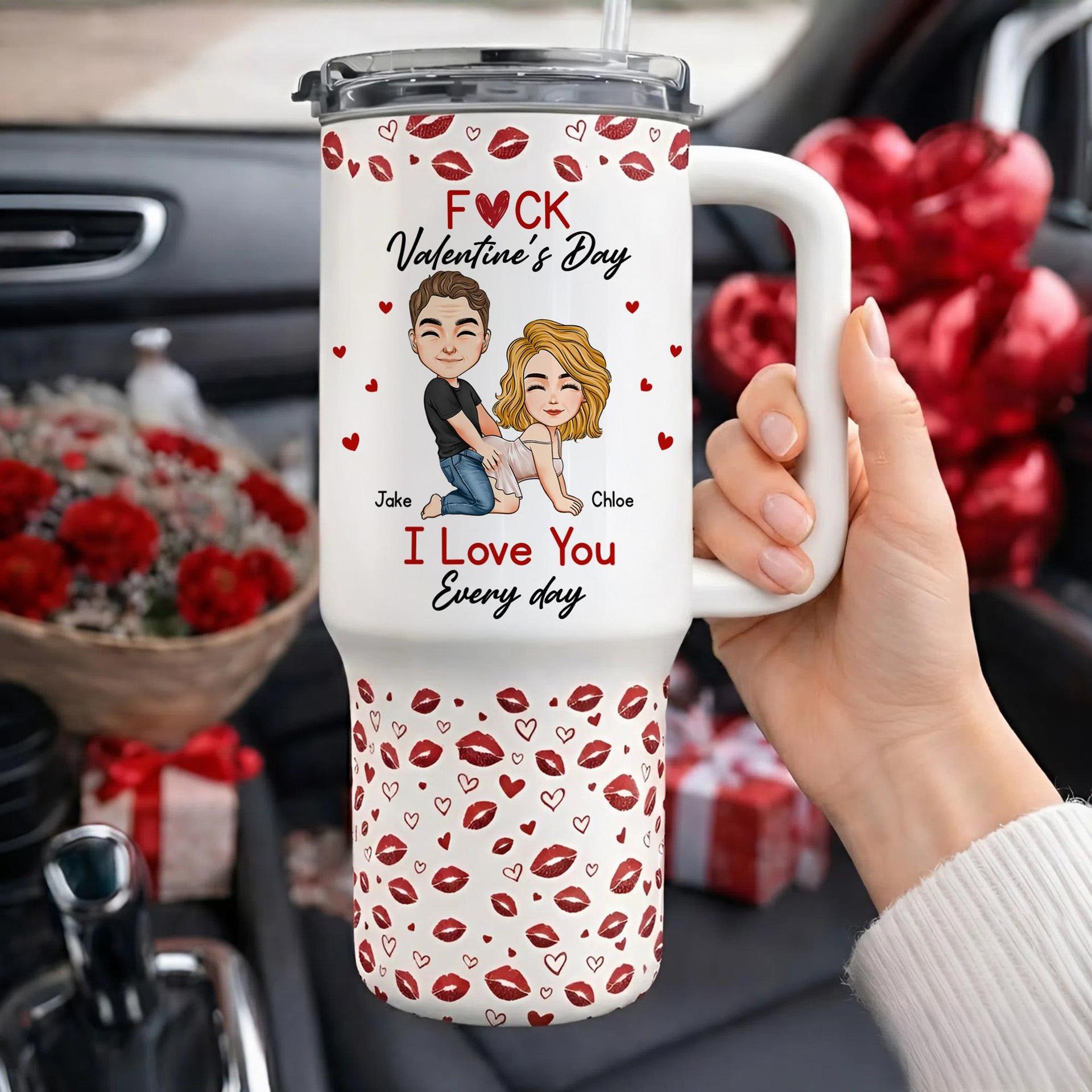
Start with apparel. T-shirts and hoodies have the lowest production costs and the highest profit margins in POD. You can test designs for under $50 and see what resonates. Stick to these product categories for your first 90 days: - **T-shirts** — unisex and women's cuts, 4.5oz or heavier - **Hoodies** — pullover and zip-up, mid-weight fleece - **Tote bags** — canvas, 10oz or heavier - **Mugs** — 11oz or 15oz ceramic, white inside - **Phone cases** — clear or matte finish, iPhone and Samsung models Avoid oversized, embroidered, or all-over-print products until you've proven demand. They cost more to produce and have higher return rates.
3. How to Pick a Profitable Niche (Without Guessing)
Niche selection makes or breaks your store. A generic store selling "funny shirts" competes with thousands of sellers. A niche store selling "cat shirts for senior cat owners" has a clear audience. Research demand before you design anything: - **Etsy search autocomplete** — type a keyword and note the long-tail suggestions - **Reddit communities** — find pain points and inside jokes in niche subreddits - **Pinterest** — check which designs get saved and repinned frequently - **Amazon best sellers** — look at the top 100 in apparel for recurring themes - **Google Trends** — compare 3–5 niche ideas side by side One reliable pattern: combine a hobby with an identity. Nurse + mom, fisherman + dad, cat lover + coffee addict. These intersections have built-in emotional buying triggers. If you're already selling on Etsy, apply the same principles from Why Your Etsy Listings Aren't Getting Views (And How to Fix It) to your Shopify product pages. The fundamentals of keyword research and compelling descriptions transfer directly.
4. Which POD Supplier Should You Choose?
Your supplier determines your profit margin, delivery speed, and product quality. Compare options based on your priorities, not hype. **Printful** — established brand, wide product catalog, but higher base prices that eat into margins. Good for sellers who want variety without inventory risk. **Printify** — connects you to multiple print providers, letting you shop for the lowest price per product. Quality varies by provider, so order samples before committing. **MCDFL** — factory-direct model with MOQ 1, meaning you order one unit at a time. Fulfillment runs 3–7 days, which beats most competitors' 5–10 day windows. Their catalog focuses on core apparel and accessories. **Gooten** — decent middle ground with competitive pricing on standard products, though their catalog is smaller than Printful's. Order samples from your top two choices before launching. Print your best design on each product and compare fabric feel, print quality, and packaging. A $30 sample investment saves you from hundreds of returns later.
5. How to Set Up Your Store in One Weekend
Start with a clean theme. Shopify's free Dawn theme works fine — don't pay for premium themes until you have consistent revenue. Follow this setup order: 1. **Create your account** at shopify.com and pick a store name that matches your niche 2. **Install your POD app** (MCDFL, Printful, or Printify) and connect it to Shopify 3. **Upload 10–15 products** with your niche designs 4. **Write product descriptions** that mention the design story, not just fabric specs 5. **Set up basic pages** — About, Shipping, Returns, Contact 6. **Configure payments** with Shopify Payments and PayPal 7. **Add Google Analytics** and the Facebook Pixel for tracking Your product photos matter more than your theme. Use the mockup generator in your POD app to create lifestyle images. Show the shirt on a model, not just a flat product shot. Pricing formula: product cost + shipping + $10 minimum profit. For a t-shirt costing $12 with $4 shipping, charge at least $26. Test higher prices — most POD sellers underprice their products.Frequently Asked Questions
Frequently Asked Questions
Q: How much money do I need to start a Shopify POD store?
A: You need about $100–$200. Shopify's basic plan costs $39/month, and you'll spend $30–$50 on sample orders. Design tools like Canva or Photoshop add $0–$20/month. There's no inventory cost since POD prints on demand.
Q: Can I sell on both Etsy and Shopify at the same time?
A: Yes, and many sellers do. Use Etsy for its built-in marketplace traffic and Shopify for building your own brand and email list. Just keep your pricing consistent and fulfill both through the same POD supplier.
Q: How long does it take to get my first sale?
A: Most sellers see their first sale within 2–6 weeks if they're actively driving traffic. The key is picking a niche with demand and promoting consistently. Check out How to Get Your First 10 Sales on Etsy as a POD Beginner for a roadmap that works on Shopify too.
Q: Do I need to pay for ads to make sales?
A: No. Start with free traffic sources like Pinterest and organic social media. How to Use Pinterest to Drive Free Traffic to Your POD Store covers a strategy that costs nothing but time. Add paid ads only after you've validated your product-market fit.Ready to Explore MCDFL's Product Catalog?
Browse 500+ factory-direct POD products and contact us to set up your B2B partner account.
Explore Products