Jewelry Dish Materials Compared: Ceramic vs Wood vs Marble

Why Material Choice Decides Your Ring Dish Margins
Material selection drives three numbers that determine whether a jewelry dish listing survives: unit cost, shipping weight, and breakage rate. Get those wrong and a $32 sale can turn into a $6 loss after fees, postage, and one replacement.
Sellers often ask which material is "best" — but the honest answer is that each one serves a different buyer. Ceramic buyers want personalization detail. Wood buyers want warmth and gifting appeal. Marble buyers want a decor piece that happens to hold rings.
Factory-direct suppliers like MCDFL now offer all three under one roof with MOQ 1, which means you can test each material without committing to bulk inventory. That changes the math for beginners considerably.
1. Ceramic: The Margin King

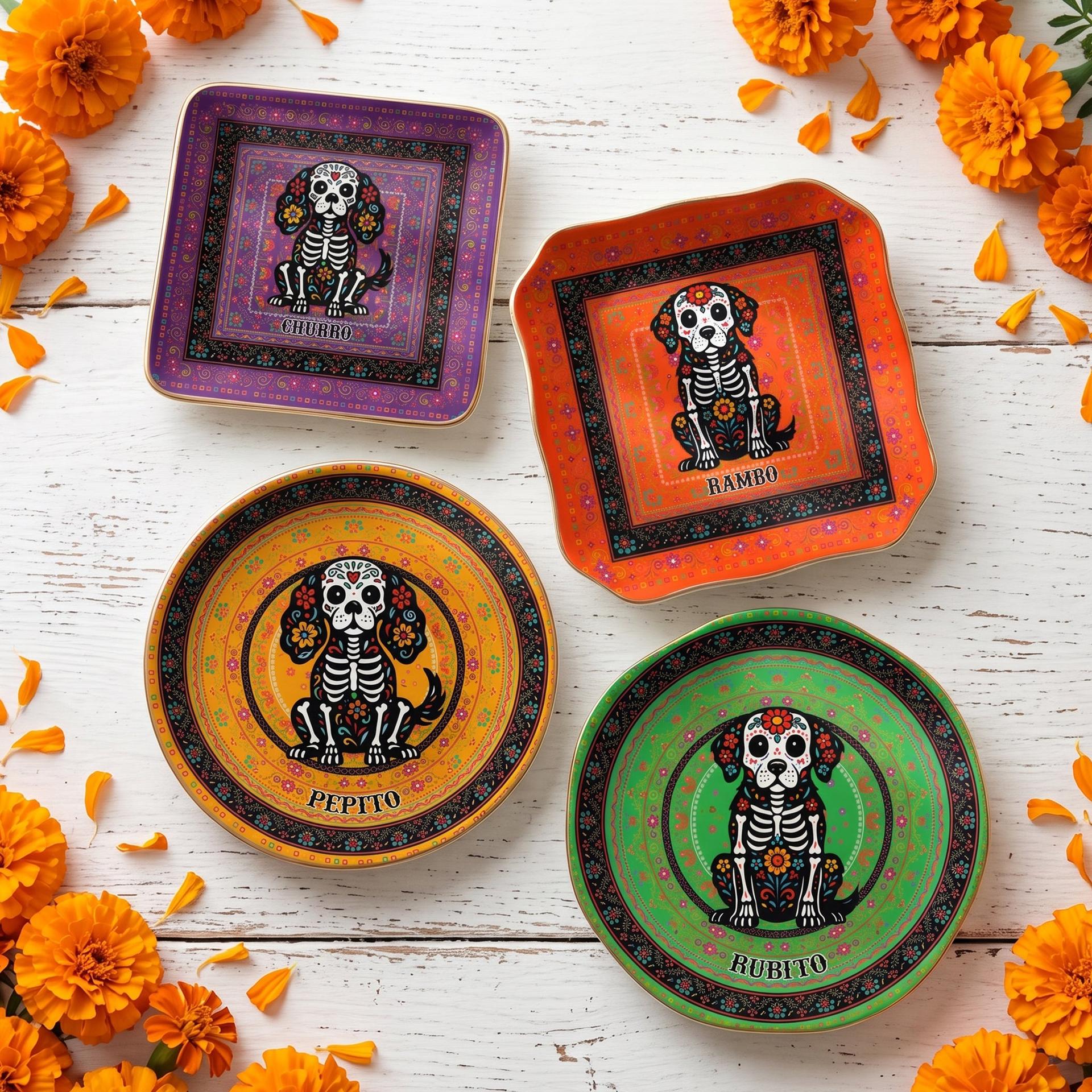
Ceramic remains the highest-margin option for most POD sellers. Unit costs stay low, sublimation and UV printing hold fine detail, and customers associate the material with keepsake quality.
The tradeoff is fragility. Industry averages suggest 3-5% breakage for single-boxed ceramics shipped through standard parcel networks. That number drops sharply when dishes are double-boxed with molded pulp inserts.
MCDFL production lines ship ceramics in foam-lined mailers with corner protection as standard, which keeps transit damage well below the industry baseline. If you're sourcing elsewhere, ask for the packaging spec before you ask for the price.
Design-wise, ceramic takes names, dates, coordinates, and fine line art better than any other material. That's why personalized ring dishes with house motifs or wedding dates consistently outperform generic designs in search.
If you're building a personalized line, our guide on How to Design a Ring Dish with Names and Dates That Customers Love covers the layout rules that keep text legible after firing.
2. Wood: The Rustic Niche

Wood dishes attract a different buyer: the rustic-wedding, cabin-decor, and anniversary-gift crowd. Engraving produces a deep, tactile finish that photographs beautifully and feels premium in hand.
Wood products often see higher average order value because they bundle naturally. A single wood dish pairs with a matching keychain, coaster set, or engraved box without looking like padding.
That bundling behavior is the real reason wood sellers report stronger revenue per order — not because the dish itself costs more, but because the listing invites add-ons.
Watch your grain consistency. Walnut, cherry, and acacia all engrave differently, and customers notice when the dish they receive looks nothing like the mockup. Request a physical sample before you publish a listing.
Wood also travels better than ceramic. No firing, no glaze, no shatter risk — which makes it a friendlier first product for sellers shipping internationally.
3. Marble: The Premium Decor Play

Marble is the smallest volume category and the highest price point. Buyers here aren't shopping for a gift under $30 — they're furnishing a bathroom or vanity and want something that matches the tile.
Real marble is heavy, which raises shipping cost, and it's prone to chipping at the edges if packed loosely. Faux marble resin alternatives cut weight by roughly half and photograph nearly identically.
The margin story is different too. Marble doesn't take full-color printing well, so personalization is usually limited to engraving or a small brass plate. That limits design variety but strengthens the minimalist positioning.
This category pairs well with the broader shift toward minimalist jewelry dishes for modern home decor, where neutral palettes and clean silhouettes outperform busy patterns.
4. Which Material Should You List First?

Start with ceramic if you're new. It's the cheapest to test, the most forgiving on design, and the easiest to personalize at scale.
Add wood once you have a gifting audience — wedding, anniversary, housewarming. The AOV lift usually justifies the higher unit cost within two to three months.
Bring in marble last, and treat it as a decor line rather than a personalized one. It sells to a different customer, and mixing the two in one listing confuses the algorithm and the buyer.
Across all three, MCDFL ships to 50+ countries with 3-7 day fulfillment, which matters when you're running seasonal promos and can't afford a two-week production gap.
Frequently Asked Questions
Q: What's the minimum order quantity for testing a new material?
A: MCDFL offers MOQ 1 for all materials, allowing sellers to test quality without bulk risk. You can order a single ceramic, wood, or marble dish, photograph it, and validate demand before placing a larger run.
Q: Which material has the lowest breakage rate in transit?
A: Wood has the lowest risk because it doesn't shatter. Ceramic sits at 3-5% industry average for single-boxed shipments, but drops significantly with double-boxing and molded pulp inserts. Marble chips at edges if packed loosely.
Q: Can I print full-color designs on all three materials?
A: Ceramic takes full-color sublimation and UV printing best. Wood works well with engraving and single-color prints. Marble is typically limited to engraving or applied brass plates, so plan your designs accordingly.
Q: Which material sells best for wedding and anniversary gifts?
A: Wood and ceramic both perform strongly. Wood skews rustic and engraved; ceramic skews personalized with names and dates. Marble appeals more to home decor buyers than gift shoppers.
Ready to Explore MCDFL's Product Catalog?
Browse 500+ factory-direct POD products and contact us to set up your B2B partner account.
Explore Products