Best Shopify Dropshipping Niches with Low Competition and High Demand

1. Why Low-Competition Niches Beat "Winning Products" in 2026
I've run POD stores on both Etsy and Shopify for five years, and I've watched sellers burn cash chasing the same "viral" products everyone else is selling. Here's the uncomfortable truth: if a product is trending on TikTok, the competition is already 10,000 sellers deep, and your ad costs will eat your margins alive. Low-competition niches work because they rely on specificity, not volume. A store selling "funny dad shirts" fights thousands of listings. A store selling "shirts for dads who restore vintage tractors" fights maybe 50. That difference translates directly to cheaper ads, higher conversion rates, and customers who feel like you made the product just for them. The key is finding a niche where the audience has money to spend, a strong sense of identity, and existing buying behavior. Think about what people put on their pets, their work uniforms, or their hobby equipment. These are emotional purchases, and emotional purchases convert better than rational ones. One of my most profitable stores sells breed-specific accessories for French bulldogs. The designs are simple, the audience is passionate, and the repeat purchase rate is absurd because owners buy for every holiday and life event. Before you scroll past, consider this: that store outsells my "general pet" store by 4x with half the traffic.
2. What Makes a Niche "Low Competition" (And How to Verify It)
You can't just guess. You need a verification process that takes under an hour. I use three specific checks before I commit to any niche. First, search Etsy for your core keyword. Look at the top 20 results. If the listings have fewer than 500 reviews and the product photos look amateurish, you've found a gap. If the top results are all from massive shops with 50,000+ reviews, move on. Second, check the Facebook Groups and Reddit communities for that niche. A niche with active communities of 50,000+ members but only a handful of POD sellers serving them is your sweet spot. Look for people posting photos of their pets, their workspaces, or their hobby setups. Those photos are your product ideas. Third, use Google Trends to confirm the interest isn't a one-month spike. You want a steady upward curve or a stable plateau, not a hockey stick that will crash. Seasonal niches can work, but they're harder to scale because you're racing against the calendar. A concrete example: I recently validated "vet tech scrubs accessories" by checking Etsy. The top listings had under 300 reviews, and the Facebook group "Vet Tech Life" has 180,000 members who constantly post about their jobs. That's a demand signal you can't fake.
3. Niche #1: Breed-Specific Pet Accessories
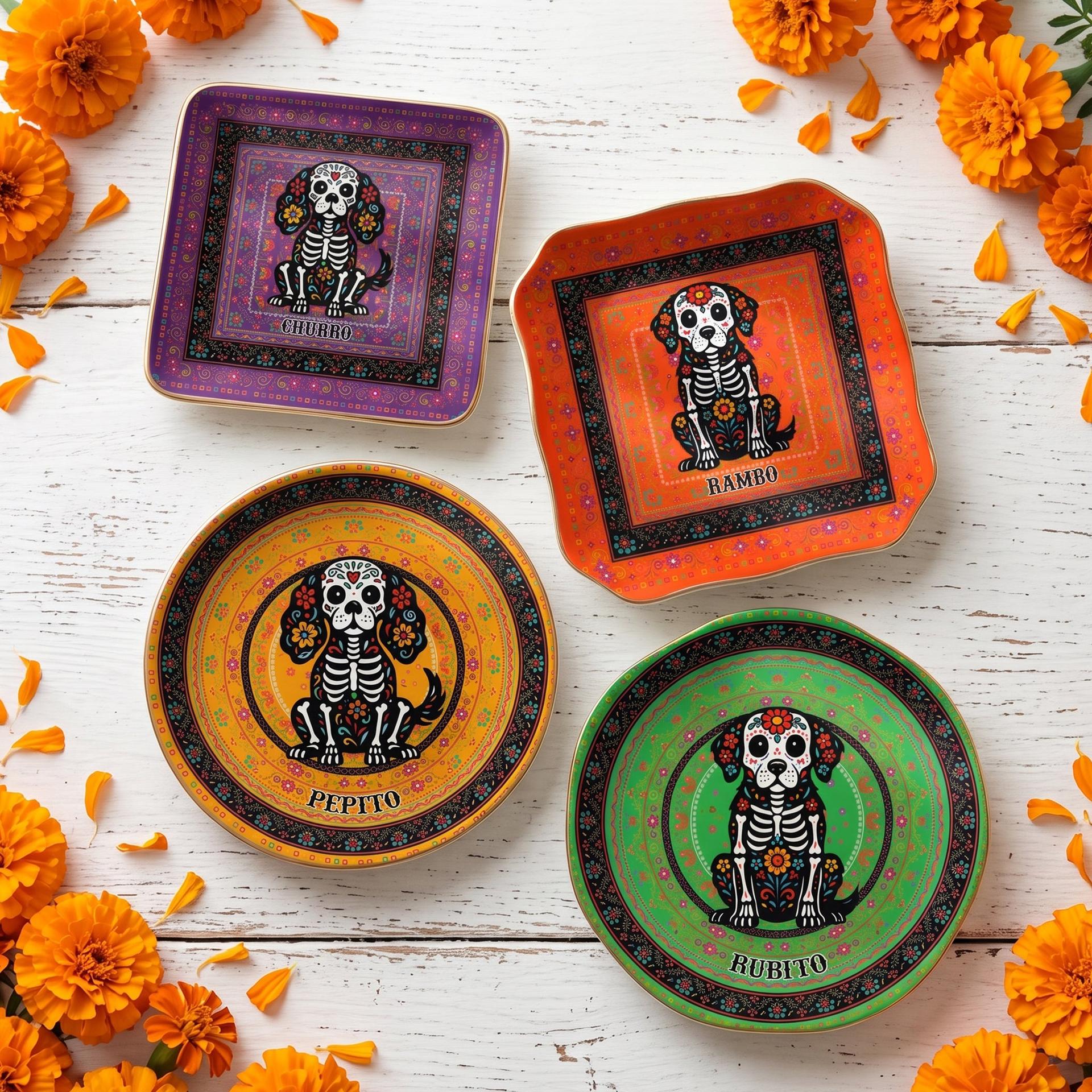
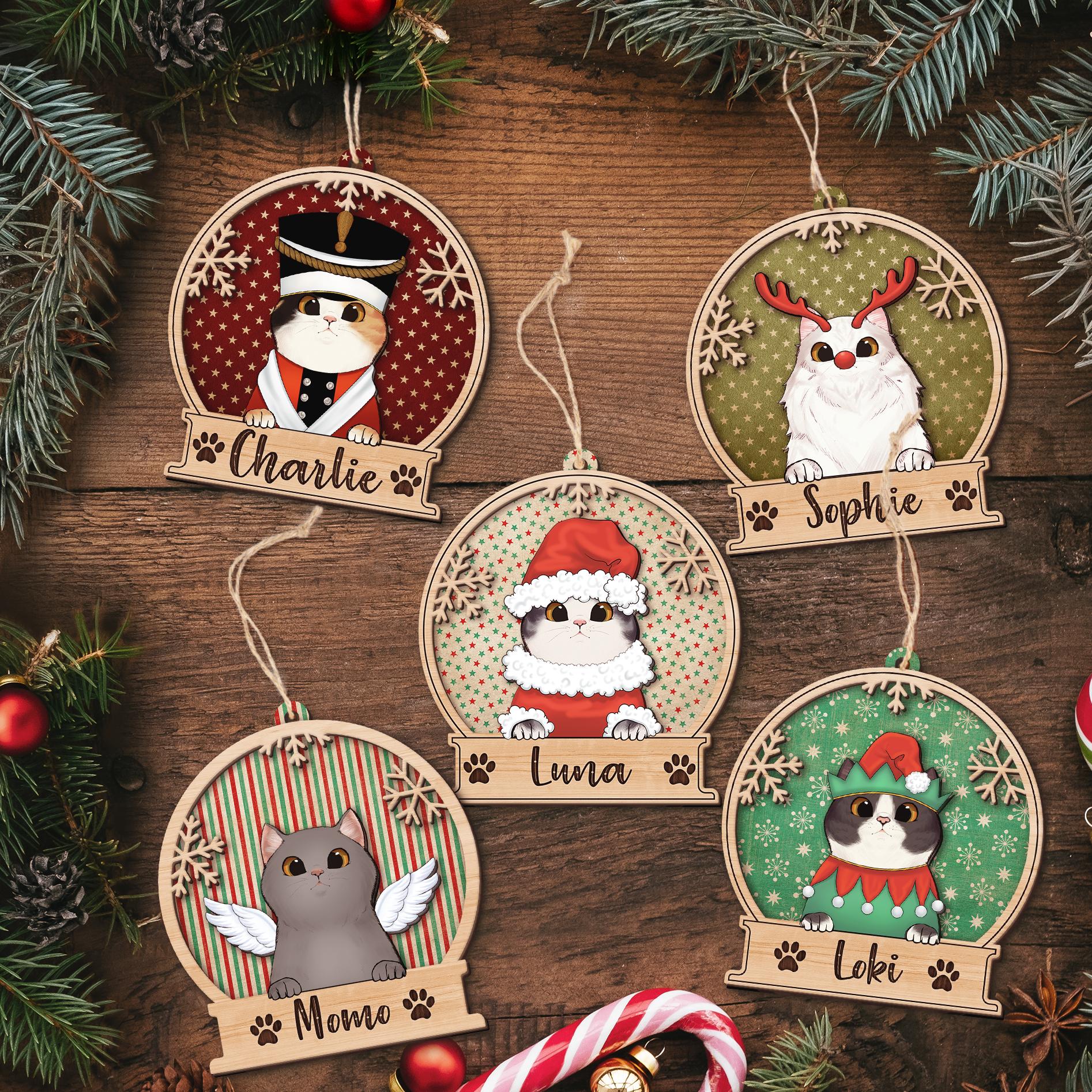
This is my number one recommendation for 2026, and it's not close. The pet industry keeps growing, but the real money is in breed-specific products. French bulldog owners don't want a generic dog shirt. They want a shirt that says "French Bulldog Mom" with a cartoon that actually looks like their dog. The demand is driven by the humanization of pets. Owners treat their dogs like children, which means they buy birthday outfits, holiday bandanas, and matching owner-pet shirts. The average pet owner in the US spends over $1,200 annually on their pet, and a huge chunk of that is discretionary. Why this niche has low competition: most POD sellers default to "dog lover" or "cat person" designs. They're afraid to narrow down because they think it limits their audience. In reality, narrowing down makes your ads cheaper and your conversion rate higher because the creative speaks directly to the viewer. For Shopify, you can build a store around one breed and expand later. Start with French bulldogs, golden retrievers, or dachshunds. Each of these breeds has massive, passionate owner communities. Design 10 products, test them with a small ad budget, and double down on what works. The fulfillment side is easy too. Most POD suppliers, including MCDFL, offer pet accessories like bandanas and bandanas with a 3-7 day fulfillment window, so you can test without holding inventory.
4. Niche #2: Medical Professional Micro-Communities
Doctors and nurses are a saturated market. Everyone sells "Nurse Life" mugs and scrub tops. But the micro-communities within healthcare are wide open. Vet techs, dental hygienists, radiology techs, and phlebotomists all have distinct cultures, inside jokes, and frustrations that general "healthcare" designs completely miss. Take vet techs. They're underpaid, overworked, and deeply passionate about animals. They have a dark sense of humor about the job that the general public doesn't understand. A design that says "Vet Tech: Because I Can't Fix People" will get laughed at and shared in their private groups, which is free marketing for you. The competition is low because these audiences are small enough that big POD sellers ignore them, but large enough to sustain a niche store. A store serving just vet techs can easily generate $5,000 to $10,000 per month with consistent content and targeted ads. For product selection, think about what they wear and use daily. Scrub caps, badge reels, and tote bags are all POD-friendly products that get daily visibility. When a vet tech wears your scrub cap to work, every colleague sees it. That's organic advertising you don't pay for. I tested this niche with a small Etsy shop and had my first sale within three days of listing. The key was using their specific terminology in the listing title and tags, which helped me rank for long-tail keywords that bigger shops ignore.
5. Niche #3: Backyard Poultry and Homesteading
Here's a niche that sounds small but has a fiercely dedicated audience: backyard chicken keepers. These people don't just own chickens; they build custom coops, name every bird, and post daily photos to dedicated Facebook groups. The community is massive, with multiple groups exceeding 100,000 members. The product opportunities are endless. Funny chicken shirts, "Chicken Mom" mugs, egg-collecting aprons, and co-op signs all sell consistently. The designs need to reflect the humor and pride of the lifestyle, not just a generic chicken graphic. Why is competition low? Because most sellers see "chickens" and think "farm animals," which feels rural and limited. But the backyard poultry trend has been building steadily, and the audience skews female, age 30-55, with disposable income and a strong online presence. They buy year-round, not just during spring when chicks are popular. The key to this niche is understanding the vocabulary. Words like "flock," "coop," "run," and "scratch" have specific meanings to this audience. Use them in your product titles and descriptions. When a chicken keeper sees a shirt that says "My Flock is My Therapy," they don't just buy it; they share it with their chicken group. For Shopify sellers, this niche works well with content marketing. Start a simple blog or Instagram page showing your own chicken setup, then funnel followers to your store. The authenticity builds trust that paid ads can't replicate.6. How to Scale Without Killing Your Margins
Once you've validated a niche and have a few winning products, the temptation is to scale everything at once. Resist that urge. Scaling is about systematic testing, not throwing money at whatever worked once. Start with a daily ad budget of $20 to $30 per product. Run for five days to gather data. Aim for benchmarks like 2% CTR as a starting point for scaling, but adjust based on your specific profit margins. A product with a 1.5% CTR but a 40% profit margin might be more valuable than a 3% CTR product with a 10% margin. When you find a winner, scale your budget by 20% every two days, not 200% overnight. This gradual approach keeps your ad costs stable and prevents the algorithm from resetting your learning phase. I've seen too many sellers kill a profitable product by doubling their budget and watching their ROAS collapse. Also, don't ignore your Etsy shop while scaling Shopify. Etsy has built-in buyer intent, which means lower ad costs and higher conversion rates. Use Etsy to validate designs cheaply, then take your proven winners to Shopify where you control the customer relationship and can build email lists. Finally, track your fulfillment times religiously. If you're using MCDFL or similar suppliers, you know that 3-7 day fulfillment is the standard. If a supplier starts slipping, your reviews will tank faster than your ad account gets banned. Always have a backup supplier for your top-selling products.
Frequently Asked Questions
Q: How do I know if a niche is too small to be profitable?
A: If you can't find at least 10 active Facebook groups or subreddits with 10,000+ combined members discussing the topic regularly, it's probably too small. You need enough audience to sustain consistent sales, but not so much that big players dominate the market.
Q: Can I run multiple niche stores at once?
A: Yes, but only if you have the time to create separate content and ad strategies for each. I recommend mastering one niche for at least three months before launching a second store. Splitting your attention too early usually results in two mediocre stores instead of one great one.
Q: Should I use Etsy or Shopify for low-competition niches?
A: Use both, but differently. Etsy is your validation ground because buyers are already searching for niche products. Once a design proves itself on Etsy, move it to Shopify where you can build an email list and earn higher margins without Etsy fees. For more on finding products, check out How to Find Winning Products for Shopify Dropshipping in 2026.
Q: What's the minimum budget to test a niche?
A: You can validate a niche on Etsy for under $50 in listing fees and basic designs. For Shopify ads, plan on $100 to $150 per product to get statistically meaningful data. If you can't afford that, stick to organic social media until you build an audience.
Ready to Explore MCDFL's Product Catalog?
Browse 500+ factory-direct POD products and contact us to set up your B2B partner account.
Explore Products