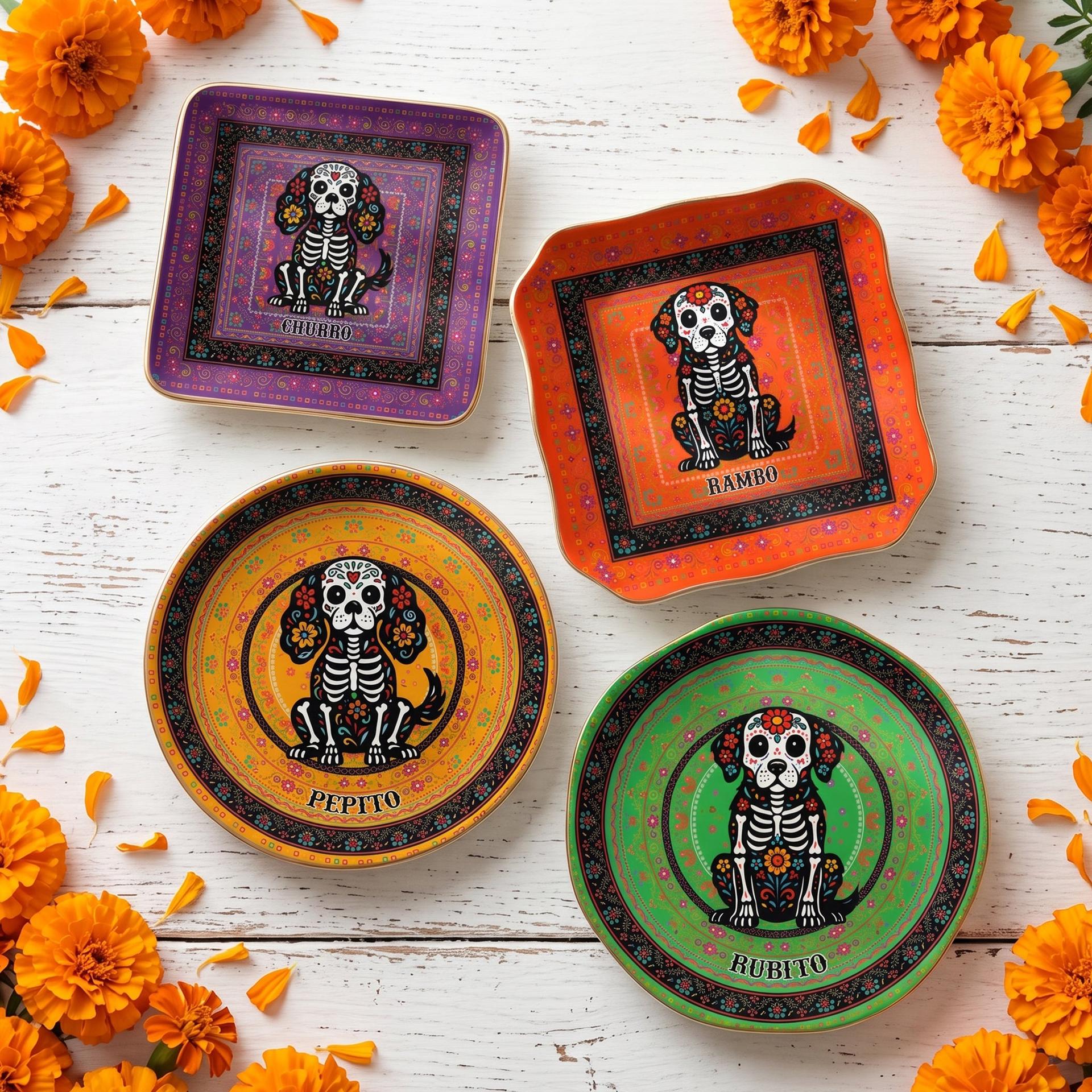
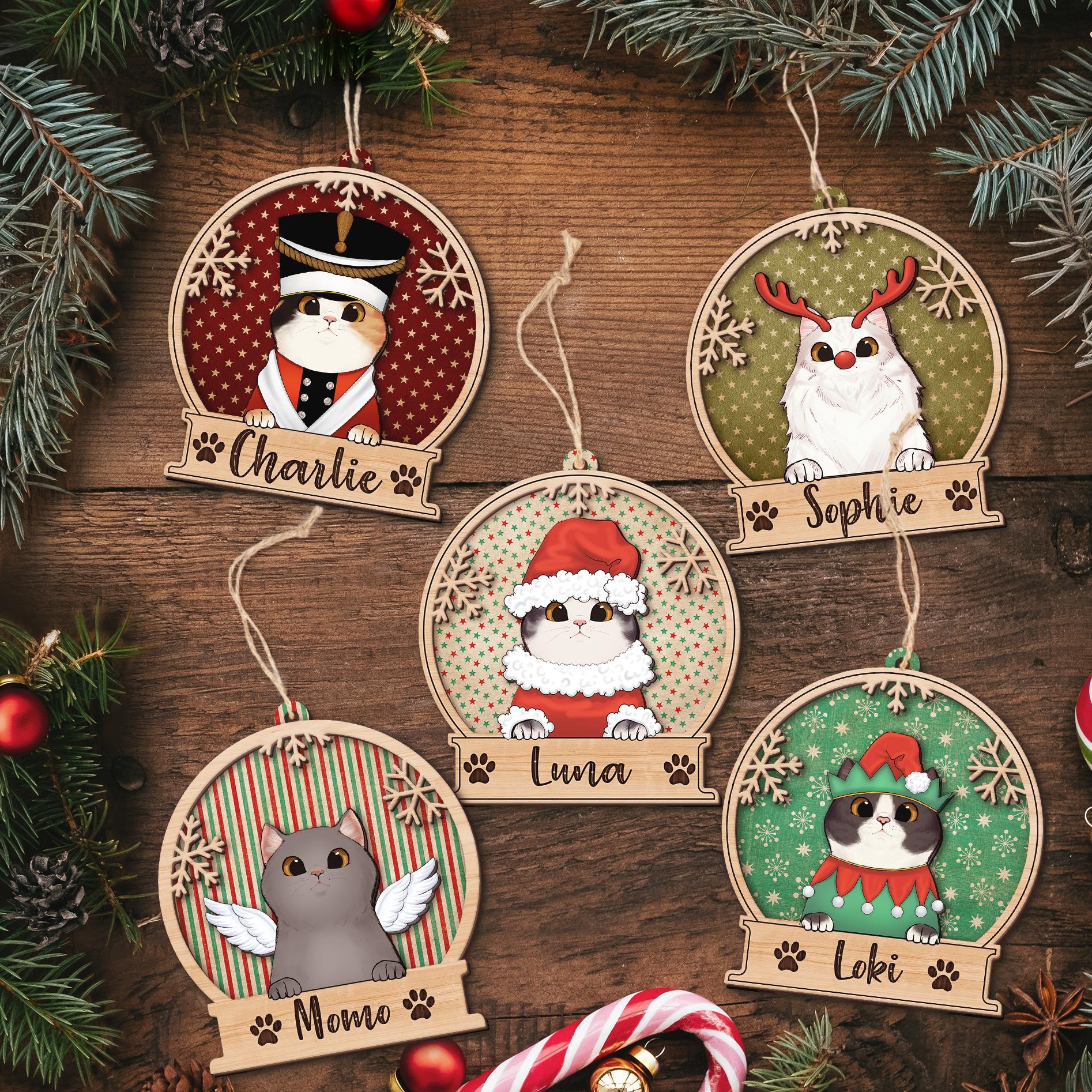
The Ultimate Guide to Shopify Dropshipping Product Photography

Why Product Photography Makes or Breaks a POD Store
You have about 1.5 seconds before a shopper scrolls past your listing. That's it. That's the whole window. Here's what actually happens in that window:- They see the thumbnail first — not your title, not your price.
- If the thumbnail looks like a template, they assume the product is a template too.
- If it looks like a real photo of a real shirt, they stop scrolling.
Mockups vs. Real Photos: When to Use Each
Mockups are not the enemy. Bad mockups are. Use mockups for:
- Color variations (you can't shoot 12 colors of the same tee)
- Size charts and fit references
- Lifestyle scenes you can't physically stage
- Your main listing image (the thumbnail)
- Close-ups of print quality and fabric texture
- Any shot where the customer needs to trust the product
How to Build a $150 Home Studio for POD Shots
You don't need a $2,000 setup. You need four things.- A window. North-facing is ideal. Diffused daylight is the most flattering light you can get for free.
- A backdrop. A $10 white foam board from any craft store. Tape it to the wall, curve it onto the table so there's no hard line.
- A phone. Modern phone cameras are more than enough for Shopify listings. Shoot in portrait mode for depth.
- A tripod or stack of books. Stability beats gear every time.
Fulfillment Reality: Why Your Photos Must Match What Ships
Here's the part nobody talks about: your photos set a promise. Your fulfillment has to keep it. If your listing shows a crisp, vibrant print and the customer receives a washed-out one, you get a return and a bad review. If your listing shows a mug with a sharp design and it arrives with the print slightly off-center, same problem. This is why sourcing matters as much as shooting. MCDFL partners report lower abandonment when using our verified 3-7 day shipping data combined with real product photos. That's not a marketing line — it's the direct result of showing customers exactly what they'll get, and then shipping exactly that. When you're comparing suppliers, ask three questions:- What's the actual print method (DTG, DTG + sublimation, vinyl)?
- What's the real fulfillment window, not the marketing window?
- Can I order one sample to verify before I list?
Common Photography Mistakes That Kill POD Conversion
These are the ones I see over and over on new POD stores:
- Shooting on a wrinkled surface. Iron the shirt. Steam the backdrop. Wrinkles read as "cheap."
- Using overhead tungsten light. It casts yellow. Shoot near a window or buy a $30 daylight bulb.
- Cropping too tight. Leave breathing room around the product so the thumbnail doesn't feel claustrophobic.
- Ignoring the thumbnail test. Shrink your photo to 200px wide. If you can't tell what it is, reshoot.
- Editing to death. Slight exposure and contrast tweaks are fine. Heavy filters make the print color inaccurate, and that's a return waiting to happen.
Frequently Asked Questions
Q: Do I really need to order a sample for every product?
A: For your hero products, yes. For long-tail variations, mockups are fine. Order one sample per product type (one tee, one mug, one hoodie) and reuse those photos across your catalog. MCDFL's MOQ of 1 makes this practical even on a tight budget.
Q: Can I use supplier mockups as my main listing image?
A: You can, but you'll lose clicks. Supplier mockups are usually flat, sterile, and identical to what thousands of other sellers are using. One real photo beats ten generic mockups for your thumbnail.
Q: How many photos should each Shopify listing have?
A: Five minimum. One hero shot, one close-up of the print, one on a model or in use, one flat lay, one size/fit reference. More photos reduce returns because customers know exactly what they're buying.
Q: What if my phone camera isn't good enough?
A: It is. A phone from the last four years, shot in daylight near a window, will outperform a DSLR shot under bad lighting. Light matters more than the camera.
Ready to Explore MCDFL's Product Catalog?
Browse 500+ factory-direct POD products and contact us to set up your B2B partner account.
Explore Products