Shopify SEO for POD Products: Rank Higher and Get Free Traffic Beyond Ads


1. Why Most POD Stores Get Zero Organic Traffic (And How to Fix It)
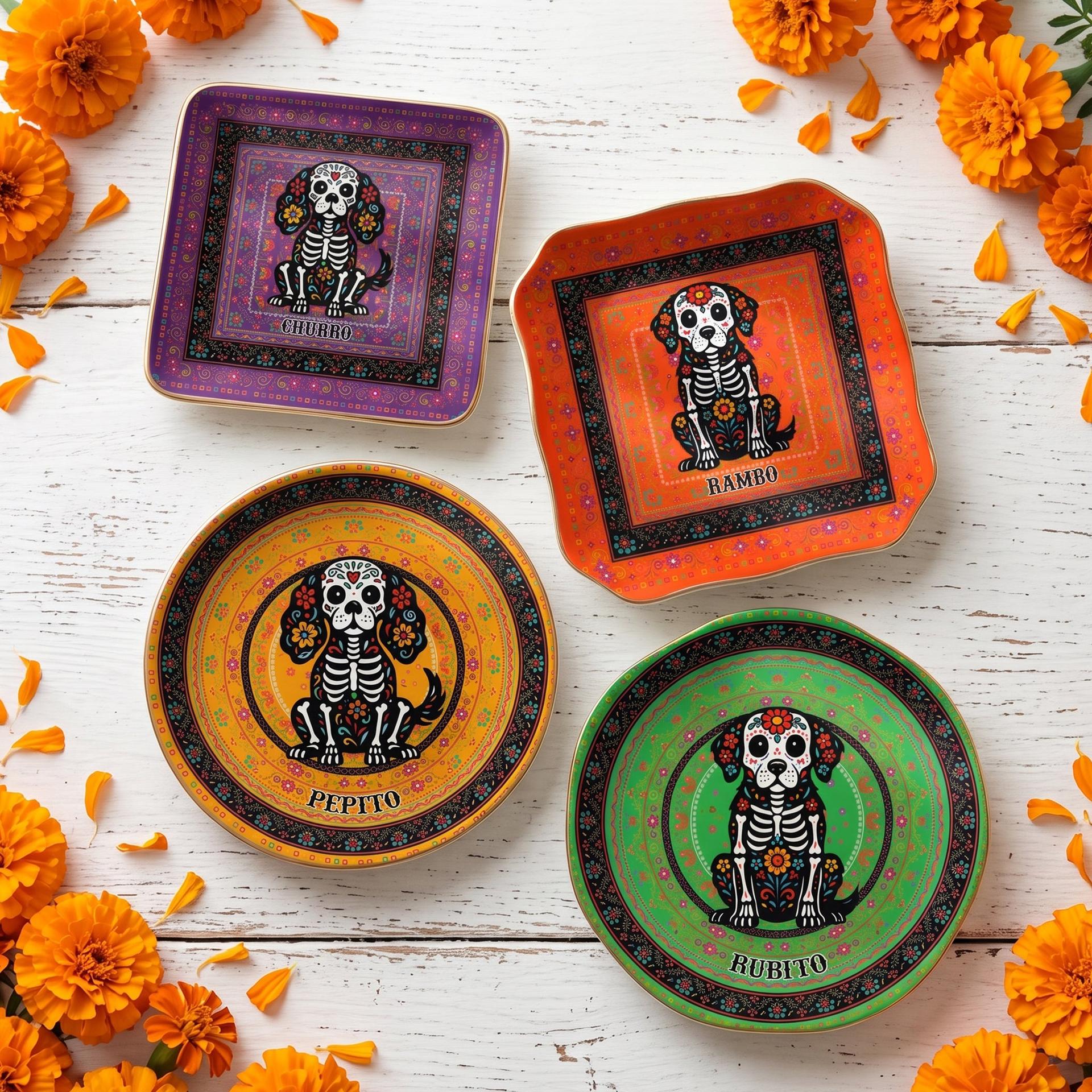
In 2026, over 70% of new Shopify POD stores get fewer than 100 organic visits per month. I see sellers upload 500 designs, run Facebook ads, and completely ignore the one traffic source that doesn't cost per click. The problem isn't your designs. It's that your product pages are invisible to Google because they lack keyword structure, internal links, and topical depth. A seller I coached had 1,200 products on Shopify but zero blog posts, thin descriptions, and no collection page optimization. We consolidated her catalog into 12 focused collections, rewrote 40 product descriptions targeting long-tail keywords, and added a size guide page that answered common buyer questions. Six months later, organic traffic hit 3,800 monthly visits, and her ad spend dropped by 40%. She was selling the same dog-themed POD shirts. The only difference was Google could finally find them.
2. How to Find Keywords That Actually Convert for POD Products
POD keyword research isn't about chasing high-volume terms like "t-shirt." Those are dominated by Amazon and big retailers. You want buyer-intent keywords with clear purchase signals. Think "custom dog breed shirt for golden retriever owners" or "funny nurse hoodie gift." These phrases tell you someone is looking to buy, not just browsing. Start with Google's autocomplete. Type your niche plus "shirt" or "hoodie" and note every suggestion. Then use a tool like Keywords Everywhere to check search volume and competition. Look for keywords with 100–1,000 monthly searches and low competition scores. Create one collection page per keyword cluster. If you sell teacher-themed POD products, build separate collections for "teacher appreciation gifts," "funny teacher t-shirts," and "retirement gifts for teachers." Each page targets a specific intent, and Google rewards that clarity with rankings.
3. Product Page SEO: The 4 Elements That Move the Needle
Your product page has four ranking levers: the title tag, the H1 heading, the description body, and image alt text. Most POD sellers stuff the title with keywords and write a two-sentence description. That doesn't work in 2026. Google wants depth. The title tag should follow this format: [Product Type] – [Main Keyword] | [Brand Name]. Example: "Unisex Hoodie – Funny Nurse Gift Idea | CozyWardrobe." Your H1 should match closely but read naturally. The description needs 150–300 words that answer questions: What's the material? How's the fit? What printing method is used? Who is this for? I've seen shops using MCDFL as their fulfillment partner mention details like "printed on demand with no minimum order, ships to 50+ countries in 3–7 days" directly in descriptions, and those pages rank better because they include specific logistics information buyers search for. Image alt text is the most overlooked lever. Don't write "tshirt-mockup-1.jpg." Write "black cotton unisex t-shirt with colorful teacher appreciation quote design front view." Every image gets indexed. Every alt text is a ranking opportunity.
4. Collection Pages Are Your Secret SEO Weapon
Collection pages can outrank product pages because they target broader keywords and keep visitors on your site longer. A well-built collection page has a unique H1, a 200–400 word introduction, and filters that improve user experience. Google tracks dwell time. If someone lands on your "Funny Dad Shirts" collection and clicks through five products, that signals relevance. I rebuilt a client's collection pages by adding category descriptions that answered "what makes these shirts different" and including care instructions, printing details, and size guidance. We also linked to related collections at the bottom. Within 90 days, three of her collection pages hit page one for their target keywords. She was competing with stores spending $5,000 a month on ads, and her traffic was free. The key was treating each collection like a mini landing page, not just a product grid.
5. Technical SEO Basics That Prevent Your Store From Getting Buried
Technical SEO sounds intimidating, but for Shopify POD stores, it comes down to four things: site speed, mobile responsiveness, clean URL structure, and proper canonical tags. Shopify handles most of the heavy lifting, but you can still mess it up by installing 30 apps that slow your store to a crawl. Every second of load time beyond three seconds costs you roughly 7% in conversions and hurts rankings. Test your store with Google PageSpeed Insights. If you score below 50 on mobile, uninstall unused apps, compress your images before uploading, and switch to a lightweight theme. Check that your product URLs are clean: /products/funny-nurse-hoodie, not /products/12345. Make sure your canonical tags point to the correct version of each page so Google doesn't split ranking signals across duplicate URLs. These fixes aren't flashy, but they're the difference between page one and page five.
Frequently Asked Questions

Q: How long does Shopify SEO take to show results for a new POD store?
A: Expect 3–6 months before you see meaningful organic traffic. Google needs time to crawl, index, and trust a new domain. Stores with consistent content publishing and backlink building often see a noticeable uptick around month four. Patience plus weekly optimization beats waiting and doing nothing.
Q: Should I delete low-selling products or keep them for SEO?
A: Keep them if they target a unique keyword and the page gets any impressions. Redirecting or deleting pages removes any SEO equity they've built. Instead, improve the description, add internal links, and let them sit. A page ranking on page three today can climb with minor updates.
Q: Do I need a blog for my Shopify POD store to rank?
A: Not strictly, but a blog accelerates results. Blog posts targeting informational keywords like "best gifts for nurses under $30" can rank and link to your product pages. This builds topical authority and passes link equity. Even 10 well-written posts can double your organic traffic within a year.
Q: Can I rank POD products without backlinks?
A: Yes, for low-competition keywords. Long-tail phrases with clear buyer intent often have weak competition. A well-optimized product page with strong on-page SEO can rank without backlinks. But for competitive niches, earning links from bloggers, gift guides, and niche directories makes a significant difference.
Ready to Explore MCDFL's Product Catalog?
Browse 500+ factory-direct POD products and contact us to set up your B2B partner account.
Explore Products