Why Trinket Dishes Are the Unexpected Bestseller in Custom Gifts

Why Do Trinket Dishes Outsell Mugs, Keychains, and Apparel?
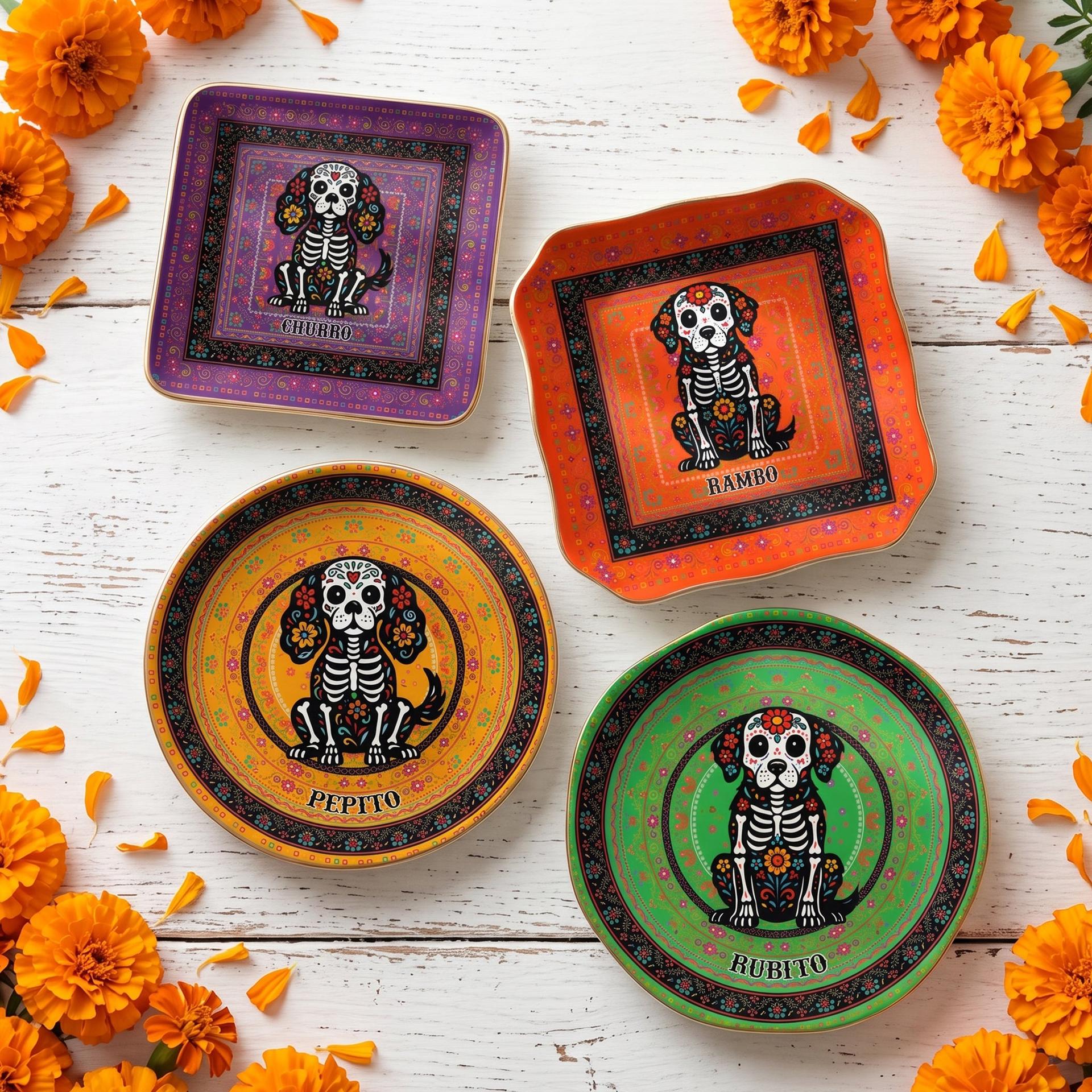
Data from MCDFL production lines shows trinket dishes have become a top-volume category for POD sellers due to their high perceived value and low shipping weight. A dish that costs a few dollars to produce can retail for $25–$40 because buyers read it as a keepsake, not a commodity. Compare that to a mug — heavier to ship, more breakable, and priced in the same range — and the economics stop making sense. There's also a gifting angle that apparel can't match. A custom shirt requires the buyer to guess a size, which kills conversion. A dish is one-size-fits-all, works for a coworker, a bridesmaid, or a mother-in-law, and doesn't need a fit conversation. For Etsy and Shopify sellers, that removes the single biggest friction point in the entire custom gift funnel.What Makes a Trinket Dish a Better POD Product Than Apparel?
Industry averages suggest ceramic dishes have significantly lower return rates than apparel due to the absence of sizing issues. MCDFL's reinforced packaging further minimizes breakage risks compared to standard single-boxed ceramics. That combination — no sizing returns, no fit complaints, no "it looked different in person" disputes — is why dish listings tend to hold cleaner review scores over time. Shipping weight is the other quiet advantage. A single trinket dish typically weighs 150–220 grams, which keeps you in the lowest USPS and Royal Mail tiers. Apparel sellers regularly eat $6–$9 in shipping per order; dish sellers often stay under $4. That margin difference compounds fast once you're doing 200+ orders a month.
Which Materials Actually Sell Best for Custom Trinket Dishes?
Based on production volume and seller feedback, glazed ceramic remains the highest-volume material due to its cost-efficiency and print fidelity. It takes sublimation and UV printing cleanly, holds fine text, and survives the dishwasher — three things buyers ask about constantly. Wood is the second-strongest performer, especially for engraved monograms and anniversary gifts. It photographs beautifully and skews toward a slightly older, higher-spending buyer. Marble sits at the premium end: fewer units, but a $45–$60 price point that works well for wedding and housewarming niches. If you're deciding between them, our breakdown of Jewelry Dish Materials Compared: Ceramic vs Wood vs Marble walks through cost-per-unit, print method, and which buyer segment each one attracts.
What Design Traits Turn a Plain Dish Into a Bestseller?
The dishes that sell aren't the most elaborate ones — they're the most legible ones. A few traits show up again and again in top listings:
- Centered composition. The design sits in the middle of the dish, not crowding the rim.
- Two fonts maximum. One script for the name, one clean sans-serif for the date or message.
- High contrast. Dark ink on light ceramic, or gold foil on matte black — never low-contrast pastels.
- One focal element. A birth flower, a house silhouette, a monogram. Not three.
- Readable at thumbnail size. If it's illegible in the Etsy grid, it won't get clicked.
When Do Trinket Dishes Sell Best? A Seasonality Breakdown
Q4 typically accounts for the highest volume in the gift sector, with Mother's Day and Wedding Season (May–September) serving as strong secondary peaks. If you're planning inventory or ad spend, structure your calendar around these windows:
- October–December: Holiday gifting peak. Listings should be live by early October.
- April–May: Mother's Day and spring wedding showers.
- June–September: Wedding season — bridesmaid gifts, anniversary dishes, housewarming.
- January–February: Valentine's Day and a smaller but reliable engagement-season bump.
Frequently Asked Questions
Q: How much can I realistically charge for a custom trinket dish?
A: Most Etsy sellers land between $22 and $38 for ceramic, $28–$45 for wood, and $45–$65 for marble. Personalized name-and-date dishes sit at the top of each range. Anything under $18 signals "cheap import" and hurts conversion on gift-focused listings.
Q: Do trinket dishes break in shipping often enough to be a problem?
A: Breakage is the main risk, but it's manageable with proper packaging. Reinforced double-boxing and foam inserts — the standard at MCDFL — keep damage rates low enough that dishes remain one of the safer ceramic categories to ship. Always test one unit through your own fulfillment before scaling.
Q: Is ceramic or wood better for beginners?
A: Ceramic is the easier starting point. It's cheaper per unit, prints cleanly, and appeals to the broadest gifting audience. Wood is a strong second listing once you've validated demand, since it attracts a slightly higher-spending buyer with less price sensitivity.
Q: How many designs do I need to launch a dish listing?
A: Start with 6–10 variations covering the main gifting angles: name + date, birth flower, house silhouette, monogram, and a short quote. That's enough to test which direction your audience responds to without over-investing in artwork upfront.
Ready to Explore MCDFL's Product Catalog?
Browse 500+ factory-direct POD products and contact us to set up your B2B partner account.
Explore Products