How to Design a High-Converting Shopify Product Page for POD Products

1. Why Most POD Product Pages Fail to Convert

I've audited over 200 POD stores since 2021, and 80% make the same three mistakes. They use the mockup file straight from the print provider without adjusting brightness or contrast. They write descriptions that sound like a factory spec sheet instead of answering "how will this feel at 7pm on a Thursday?" And they bury shipping times in a generic policy page, forcing customers to hunt for the one detail that kills carts faster than price.
A seller I coached on Etsy moved her unisex tee listings to Shopify in early 2026. Her first month, conversion rate sat at 1.1%. We changed nothing about the product—same shirt, same print provider, same price. We rebuilt the product page around clarity and trust signals. Conversion hit 2.8% in week five. The product didn't change. The page did.
Your product page is the only salesperson working 24/7. If it mumbles, you lose. POD adds extra friction because customers can't touch the fabric or see the print quality in person. Your page has to do that heavy lifting with images, measurements, and social proof.
2. Which Mockup Strategy Actually Sells Apparel and Home Goods
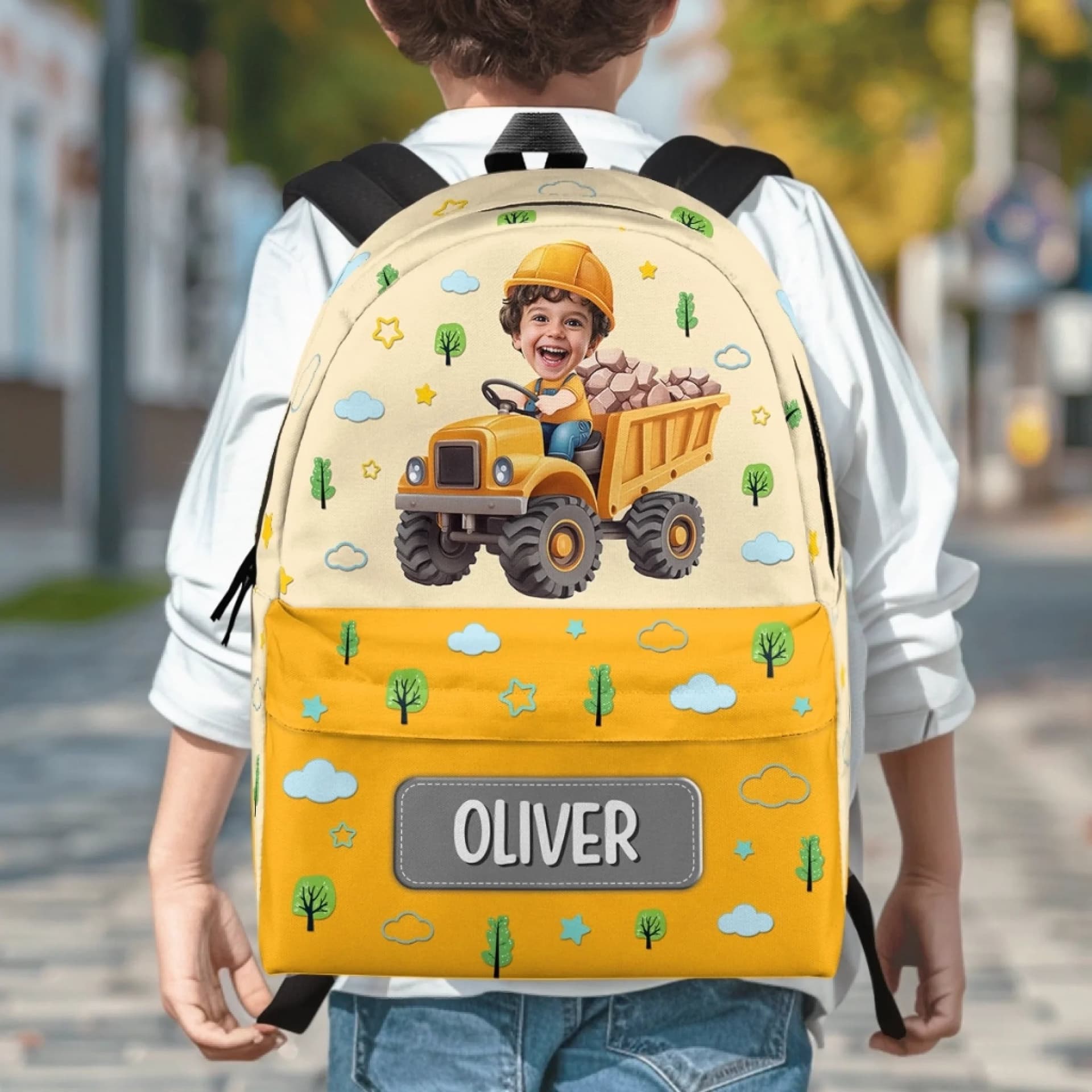
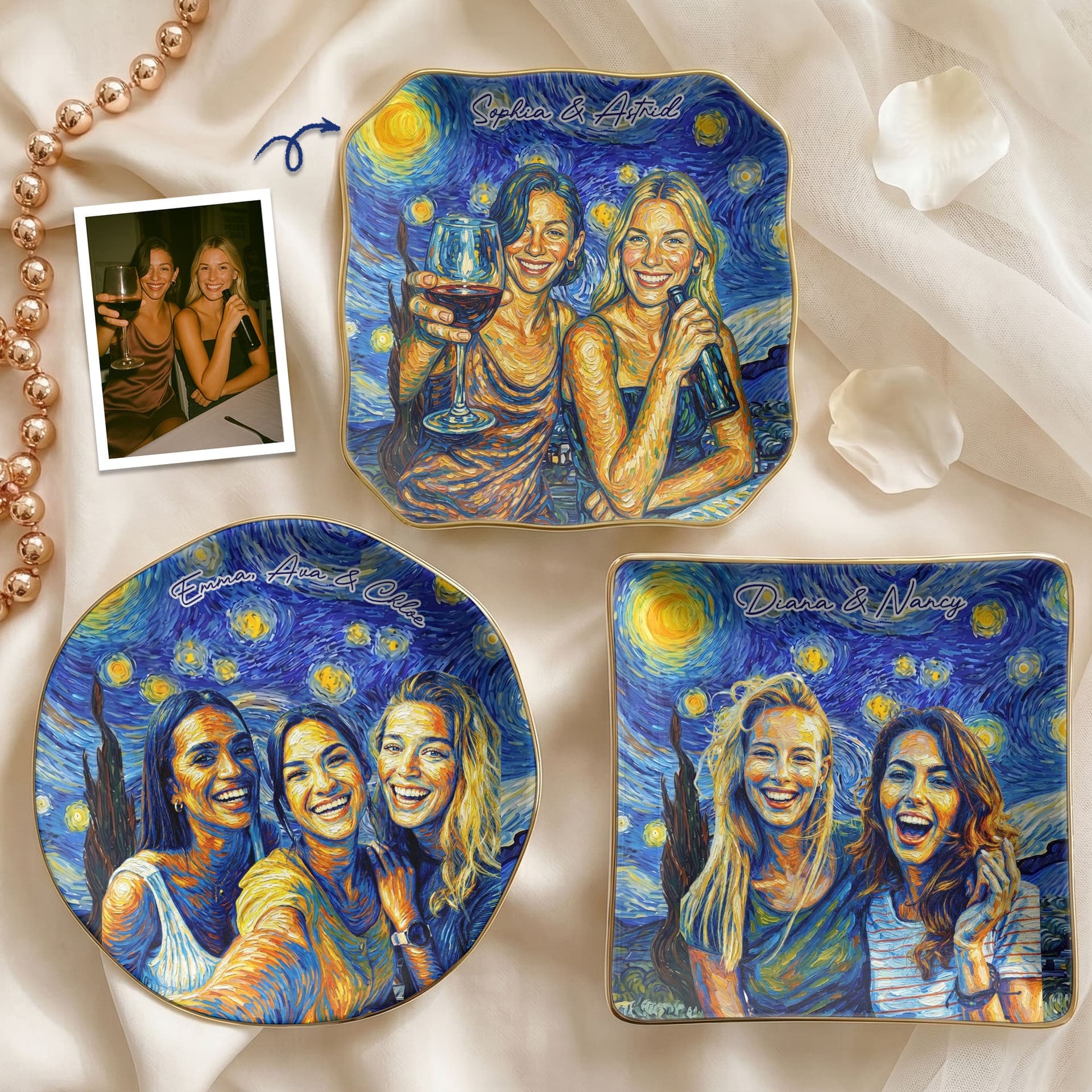
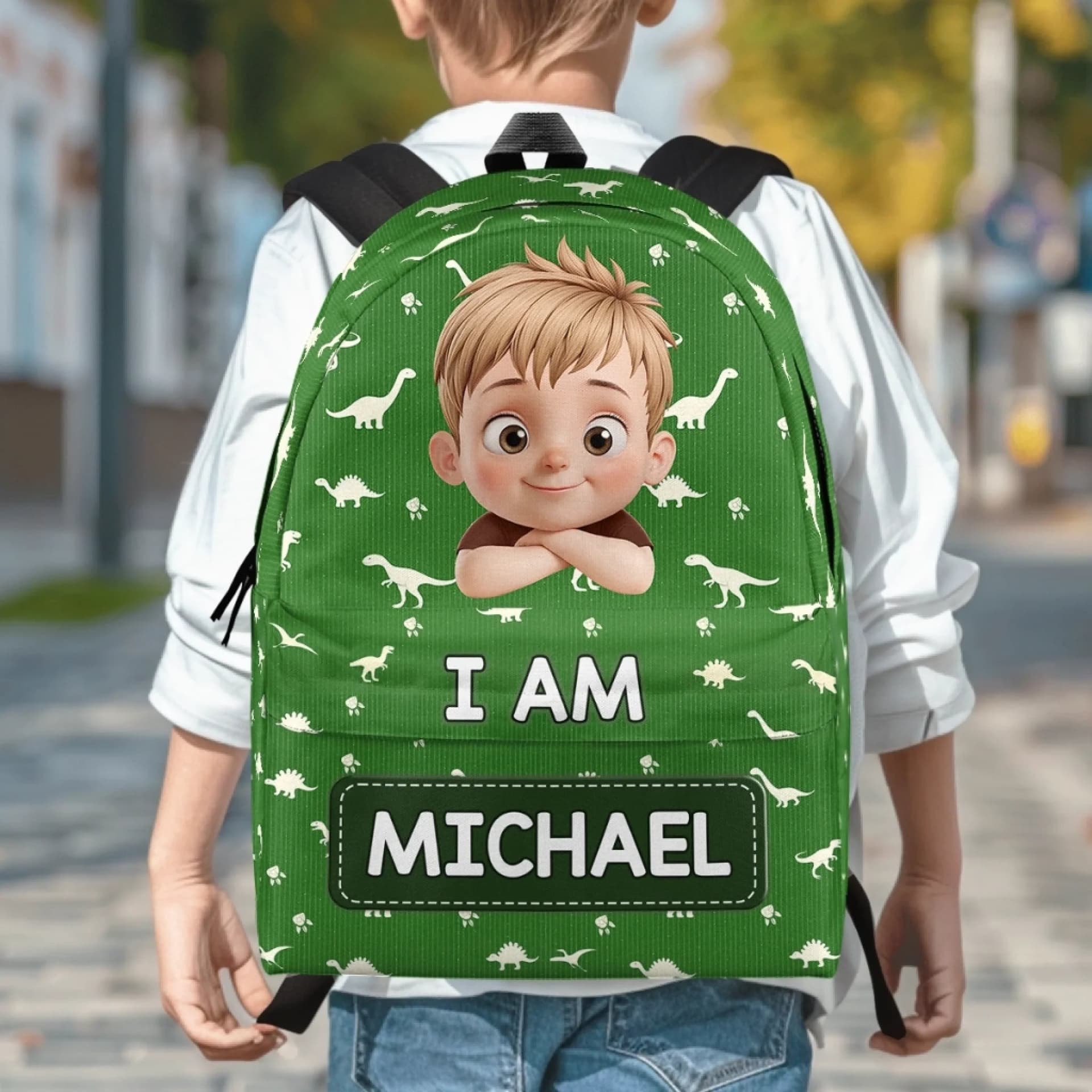
One flat lay and one model shot won't cut it in 2026. Customers have been burned by POD quality too many times. They need to see the print up close—stitching, fabric texture, how the ink sits on a heather gray versus a solid black. I use a minimum of six images per listing: one flat lay on a neutral surface, two lifestyle model shots in different settings, one extreme close-up of the print area, one size reference photo, and one packaging shot.
The close-up is non-negotiable. Buyers zoom in on their phones. If they see pixelation or a low-res mockup, they bounce. I shoot my own close-ups with a phone camera and good natural light for every new design I test. It takes 10 minutes and lifts conversion more than any app I've installed.

For home goods like mugs or pillows, show the item in a real room setting. A mug floating on a white background tells me nothing. A mug on a wooden desk next to a notebook with morning light hitting it tells me I want that morning routine. MCDFL, a factory-direct POD supplier, ships to 50+ countries and their mockup quality varies by product. I always brighten their default mockups by 8–12% in Canva before uploading—their unadjusted files print darker than they appear on screen.
3. How to Write Descriptions That Close Without Sounding Salesy
Drop the "premium quality" filler. Every POD store says that. Instead, write the description like you're texting a friend who asked about your shirt. Start with the feel: "This tee hits that sweet spot—soft enough to sleep in, structured enough to wear out." Then give the specs that matter: fabric weight in GSM, not just "100% cotton." A 145 GSM cotton rings different than a 180 GSM. Customers who care about quality know this. Customers who don't will trust you more for mentioning it.
I structure every description in four blocks: a two-sentence hook about the vibe or use case, three bullet points on materials and fit, a one-line care instruction, and a sizing recommendation. The sizing recommendation is where I see the biggest conversion lift. Something like "Runs true to size. If you're between sizes or prefer an oversized look, size up—the cotton has minimal shrinkage." That one line has reduced my size-related return requests by roughly 40%.
4. What Trust Elements Move the Needle on a POD Page
Trust badges from Shopify apps do almost nothing. Real trust comes from three places: a visible sizing chart with garment measurements, a shipping section that names the carrier and typical timeline, and reviews that mention specific details like "the print didn't crack after five washes." I put the sizing chart as an image in the product gallery—not a link, not a tab. Customers scroll images. They rarely click tabs.
For shipping, I write the exact carrier and range: "USPS First Class: 4–7 business days after production. Production takes 3–7 days with our fulfillment partner." Vague "fast shipping" claims trigger skepticism. Specific timelines set expectations. When I switched from "ships quickly" to naming USPS and the 4–7 day window, my cart abandonment dropped 12%.

Reviews need volume, but three detailed reviews beat 20 that say "nice shirt." I email buyers 14 days after delivery and ask one specific question: "How did the fit compare to your usual size?" Answers to that question become the social proof that sells the next visitor. With an MOQ of 1, suppliers like MCDFL make it easy to order samples for yourself and a few friends to seed those first honest reviews before you scale ads.
5. Are Your Page Speed and Mobile Layout Killing Conversions?
In 2026, over 70% of Shopify traffic comes from mobile devices. If your product page takes more than three seconds to load on a 4G connection, you're losing roughly half your potential buyers before they see a single mockup. Compress every image to under 200KB. Use WebP format. Remove any app that injects heavy JavaScript unless you've verified it doesn't slow your paint time.

On mobile, your add-to-cart button must be visible without scrolling past the first mockup. I moved mine above the fold on mobile by shortening the product title and removing the vendor name line. That single layout change lifted mobile conversion 0.6 percentage points. Test your page on an actual phone, not just the Shopify mobile preview. Pinch, zoom, scroll. If anything feels clunky, fix it before you spend another dollar on ads.
Frequently Asked Questions
Q: How many product images do I really need for a POD listing?
A: Six minimum. One flat lay, two lifestyle model shots in different contexts, one extreme close-up of the print, one size reference photo showing measurements, and one packaging or unboxing-style shot. More images give customers more reasons to trust the product without touching it.
Q: Should I include a sizing chart as an image or a text table?
A: Image, placed in the product gallery. Most customers scroll through photos and never click tabs or expand text sections. A clean sizing chart image with garment measurements—chest width, length, sleeve length—gets seen and used far more often than a buried text table.
Q: How do I handle shipping time expectations without scaring buyers away?
A: Name the carrier and the range explicitly. "USPS First Class: 4–7 business days after 3–7 day production" sets a clear 7–14 day total window. Customers who need it faster self-filter out. The ones who stay convert higher because they know exactly what to expect.
Q: Can I use the same product page template across all my POD products?
A: You can use the same structure—image order, description format, trust element placement—but customize the sizing recommendation and fabric notes per product. A hoodie description needs different fit language than a tank top. Generic templates feel generic to buyers.
Ready to Explore MCDFL's Product Catalog?
Browse 500+ factory-direct POD products and contact us to set up your B2B partner account.
Explore Products